
Digital
Unlocking Laughter: The Ultimate Guide to the Best Comedy HBO TV Shows

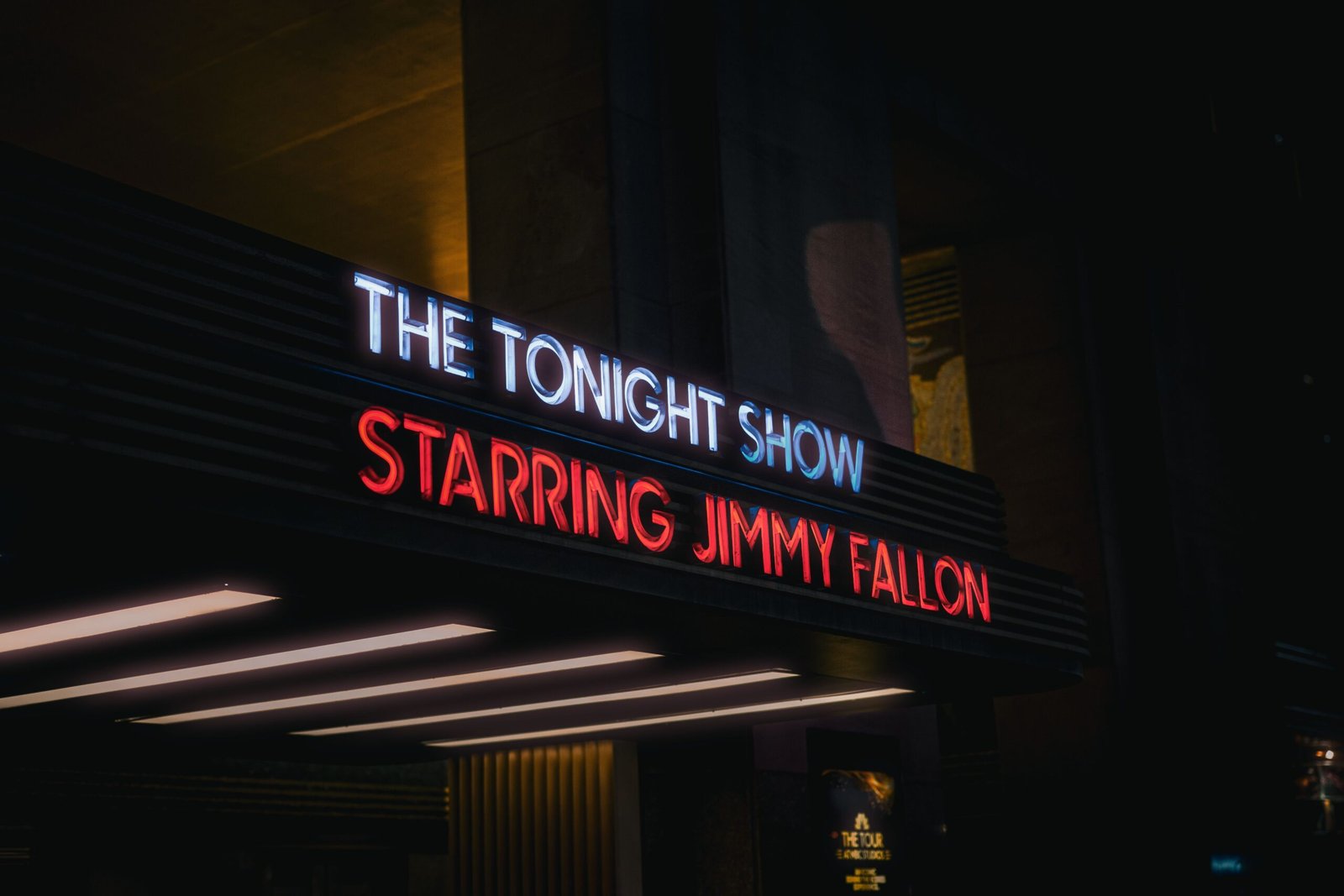
The Ultimate Guide to the Best Comedy HBO TV Shows
HBO has long been synonymous with prestige television, a reputation largely built on groundbreaking dramas like “The Sopranos” and “Game of Thrones.” Yet, to focus solely on its dramatic offerings is to miss half the picture. The network has quietly, and sometimes not so quietly, cultivated a roster of comedy series that are as influential, daring, and brilliant as any of its hour-long heavyweights. From the cringe-inducing social experiments of Nathan Fielder to the lightning-fast political barbs of “Veep,” HBO’s comedic catalogue is a masterclass in the art of making people laugh, often while making them think. This article serves as your definitive guide to the best comedy HBO TV shows, exploring the landmark series that have defined the genre on the platform and continue to set the standard for comedic excellence.
The journey through HBO’s comedic history is a tour of the medium’s evolution. It’s a landscape populated by neurotic New Yorkers, self-absorbed Hollywood has-beens, morally questionable hitmen, and tech entrepreneurs who can’t code their way out of a paper bag. Each of these series, in their unique way, has redefined what a comedy can be. They have challenged the conventional sitcom format, blending it with elements of drama, suspense, and even tragedy to create something more resonant and often more hilarious than anything following a traditional model. For those ready to explore, or for seasoned fans looking to revisit, the world of “comedy hbo tv shows” is rich, varied, and endlessly re-watchable.
The Pioneers and the Eternal Classics of HBO Comedy
Any exploration of HBO’s comedic legacy must begin with its foundational pillars. These are the shows that established the network’s voice in the genre, proving that its subscription model and creative freedom were a perfect breeding ground for unconventional talent. “The Larry Sanders Show” (1992-1998) is arguably the most important sitcom you might have never seen, a brilliant, cynical look behind the scenes of a late-night talk show that laid the groundwork for the meta-humor and awkward comedy that would dominate the following decades . Its influence is felt in nearly every single-camera comedy that came after it.
Then came “Sex and the City” (1998-2004), which proved that HBO could not only be critically acclaimed but also a massive cultural phenomenon . While its takes on sex, friendship, and feminism in New York are now viewed as a product of their time, its impact on popular culture and its frank, comedic discussions of women’s lives remain undeniable. This paved the way for “Curb Your Enthusiasm” (2000-2024), the neurotic, jazz-infused brainchild of Larry David . As a spiritual successor to “Seinfeld,” “Curb” took the “show about nothing” concept to its logical, and far less constrained, conclusion, allowing David’s fictionalized self to break every social norm imaginable over twelve brilliant seasons.
A New Golden Age: Modern Masterpieces of HBO Comedy
While the classics laid the foundation, the last decade has seen an explosion of comedic diversity and ambition on HBO, often blurring the lines between genres. “Veep” (2012-2019), created by Armando Iannucci, stands as perhaps the most relentlessly funny and cynically brilliant political satire ever produced, with Julia Louis-Dreyfus delivering a career-defining performance as the perpetually thwarted Selina Meyer . For a darker, more existential take on comedy, “Barry” (2018-2023) is a masterpiece, following a depressed hitman who finds a strange new purpose in a Los Angeles acting class . Bill Hader’s creation masterfully balances intense violence with moments of profound, often heartbreaking, humor.
The network has also become a home for auteur-driven comedy that defies easy description. Issa Rae’s “Insecure” (2016-2021) offered a witty, relatable, and culturally specific look at modern Black womanhood in Los Angeles, becoming an instant classic for its authentic voice and comedic brilliance . Meanwhile, “Hacks” (2021-present) showcases the brilliant pairing of Jean Smart and Hannah Einbinder as a legendary Las Vegas comedian and a young, disgraced writer, forging a toxic but hilarious partnership that explores legacy, artistry, and the entertainment industry . For those who prefer their humor with an elaborate, mind-bending conceptual twist, “The Rehearsal” (2022-present) finds Nathan Fielder using HBO’s budget to help ordinary people prepare for life’s biggest moments, resulting in a deeply funny and unsettling exploration of reality and performance .
Conclusion
From the pioneering meta-humor of “The Larry Sanders Show” comedy hbo tv shows to the genre-defying brilliance of “Barry” and “The Rehearsal,” HBO’s comedy catalog stands as a testament to the power of creative freedom. These are not just shows designed to elicit a laugh; they are complex, thoughtful, and often uncomfortable examinations of the human condition, delivered with impeccable timing and writing. The network has consistently provided a platform for visionary creators like Larry David, Issa Rae, and Bill Hader to push the boundaries of what a TV comedy can achieve. Whether you are a fan of classic sitcoms, biting satire, or cringe-inducing social experiments, HBO has a comedy series that will not only make you laugh but will also stay with you long after the credits roll.
Frequently Asked Questions (FAQ)
What is the best comedy series on HBO?
While “best” is subjective, “Curb Your Enthusiasm” and “Veep” are often cited as the network’s funniest and most consistent comedies, each maintaining a high level of quality over multiple seasons. For a more modern classic, “Barry” and “Hacks” are also top contenders, praised for their unique blend of comedy and drama .
What are the funniest HBO shows?
Beyond the classics, shows like “The Rehearsal” with Nathan Fielder and “Silicon Valley” are known for their specific, intelligent, and often absurd humor, making them some of the funniest options for viewers seeking something different .
Is “The White Lotus” a comedy on HBO?
“The White Lotus” is categorized as a comedy-drama or “dark comedy” by critics and awards bodies. It uses biting satire to critique class and privilege, resulting in a show that is frequently hilarious despite its dramatic and often tragic storylines .
Are there any new HBO comedy series?
Yes. Shows like “Hacks,” which is set to conclude with its fifth season, and “The Rehearsal,” which recently aired its second season, represent some of the newer high-profile comedies from the network. Additionally, older cult classics like “The Comeback” have recently returned for new seasons .
Is “Barry” more of a comedy or a drama?
“Barry” is a prime example of a “dark comedy” or “dramedy.” While it is undeniably funny, it also features intense violence and deep explorations of trauma, morality, and redemption, making it a compelling blend of both genres .

In 2026, Dojen Moe has become one of the most searched terms in anime, digital art, and otaku culture. If you’ve seen soft, pastel illustrations with large expressive eyes, shy smiles, and a feeling that makes you want to protect the character, you’ve already felt it. But what is Dojen Moe really? Is it an official anime genre, an art style, or just a viral internet phrase?
This complete 2026 guide breaks down everything you need to know about Dojen Moe, from its true meaning and confusing spelling to its aesthetic, community, and how to create it yourself.
What Is Dojen Moe? Meaning and Definition
At its core, Dojen Moe is a hybrid concept formed by two powerful Japanese pop culture words: doujin and moe.
Doujin refers to self-published or fan-created works made outside mainstream companies. These can be comics, illustrations, novels, games, or music created from passion, not profit.
Moe is not just “cute.” It is an emotional response – that warm, affectionate, protective feeling you get toward a fictional character who is innocent, vulnerable, or endearingly awkward.
Combined, Dojen Moe is a loose online phrase for fan-made or independent anime-style content that creates a warm, affectionate, moe-like response toward fictional characters.
It is important to know: Dojen Moe is best understood as an informal internet phrase, not a formally established Japanese term like doujinshi, kawaii, or otaku. You may also see it written as doujin moe or doujen moe, but the accurate root is likely doujin, not “dojen”.
Simple Formula: Fan-driven creativity + emotional affection = Dojen Moe.
Origins and History of Dojen Moe
To understand Dojen Moe, you have to look at 50 years of Japanese fan culture.
The story starts in the 1970s and 1980s with doujinshi, self-published fan comics sold at events like Comiket (Comic Market), Japan’s largest doujin convention first held in 1975. This created a culture of creative freedom where fans told their own stories.
In the 1990s, the term moe was born in online forums and anime discussions. Fans used it to describe their affection for characters in series like Sailor Moon and Neon Genesis Evangelion.
The two worlds collided in the early 2000s. As internet access expanded, doujin artists began integrating moe characteristics into their own heartfelt works.
The global explosion happened in the 2010s thanks to platforms like Pixiv, DeviantArt, Tumblr, and Crunchyroll. By the mid-2020s, with tools like Clip Studio Paint and Procreate making art accessible to everyone, Dojen Moe evolved from a niche Japanese subculture into a worldwide digital art movement. The COVID-19 pandemic also accelerated it, as people craved comforting, emotional art during isolation.
The Aesthetic of Dojen Moe: Visual and Emotional Elements
Dojen Moe is not just how it looks, it’s how it makes you feel. It is often described as a digital hug in illustration form.
Key Visual Characteristics:
- Large, Emotive Eyes: The most defining trait. Eyes sparkle with curiosity or mist with sadness, conveying a world of emotion.
- Soft and Youthful Features: Rounded faces, soft lines, relaxed body language, no harsh angles.
- Pastel Color Palette: Soft pinks, blues, lavenders, and warm lighting with gradients and dreamy textures.
- Minimalist Backgrounds: Foggy forests, cozy bedrooms, or simple abstract washes that keep focus on the character’s emotional presence.
Key Emotional Characteristics:
Unlike kawaii which is just cute, or chibi which is exaggerated for comedy, Dojen Moe adds vulnerability, nostalgia, and sincerity. Themes are quiet and intimate: friendship, memory, personal growth, shy confessions, and small moments of stillness like a character watching falling leaves. This focus on character connection over epic action is what creates the powerful emotional pull.
Why Dojen Moe Is the Hottest Trend in Digital Art in 2026
In a world saturated with hyper-realistic AI-generated art and polished commercial content, Dojen Moe is trending because it prioritizes heart over hype.
1. Ultimate Accessibility: Anyone with a tablet and free software like Krita can create it. It democratizes creativity and lowers barriers for beginners.
2. Emotional Comfort: Modern audiences are experiencing digital fatigue. Dojen Moe offers wholesome escapism and therapeutic comfort in a fast-paced world. Google Trends data shows searches for “Dojen Moe” spiked over 300% in the past year.
3. Viral Power of Social Media: Hashtags like #DojenMoe generate millions of views on TikTok and Instagram, where process videos and drawing challenges inspire mass participation.
4. Global Fusion: It is no longer just Japan. Korean artists blend it with webtoon aesthetics, Latin American creators add folklore, and Western artists mix in gothic or indie game styles. This cross-pollination keeps it fresh.
The Community and Cultural Impact of Dojen Moe
Dojen Moe is more than an art style; it is a thriving community.
Online hubs like Discord servers, Reddit’s r/DojenMoe, Pixiv groups, and Instagram art circles buzz with artists sharing WIPs (Works in Progress), tutorials, and collaborative zines. The culture emphasizes inclusivity and encouragement over gatekeeping, welcoming newbies with constructive feedback.
Culturally, its impact is huge:
- Indie Games & Visual Novels: Developers use the aesthetic for character-driven storytelling rather than complex gameplay.
- Mental Health: Its gentle themes provide comfort for anxiety and loneliness, acting as a safe emotional space.
- Fashion and Merchandise: Pastel vibes, soft textures, and character imagery are influencing streetwear, stickers, and Etsy shops.
How to Create Dojen Moe Art: Beginner’s Guide 2026
Ready to try it? Dojen Moe celebrates individuality and imperfection, so you don’t need to be perfect.
Step 1: Conceptualize with Emotion: Don’t start with a pose, start with a feeling. Is your character shy, nostalgic, hopeful? Focus on moe traits like big eyes and soft expressions.
Step 2: Tools: Use Clip Studio Paint for brushes, Procreate, or even free apps like Ibis Paint. A basic drawing tablet is enough.
Step 3: Sketch Loosely: Use soft, imperfect lines. Emphasize the head tilt and eye shine.
Step 4: Color with Pastels: Use soft gradients, warm lighting, and low saturation. Add a slight blush to cheeks for vulnerability.
Step 5: Keep Backgrounds Simple: A minimal background highlights the character’s emotional state. Less is more.
Pro Tip: Study references from slice-of-life anime but add your own twist. Simplicity amplifies impact.
Common Myths and Copyright Considerations
Myth 1: Dojen Moe is an official Japanese term. False. It is real as an online phrase, but not clearly established as a formal cultural term.
Myth 2: Dojen Moe just means cute anime art. Not exactly. Cuteness is part of it, but the moe side is about emotional response and attachment, not just visuals.
Myth 3: All doujinshi is adult content. No. Doujinshi can include manga, novels, music, games, criticism, and more.
Important Copyright Caution: Since the movement often involves fan-created works, be careful. Fan works that use recognizable characters from existing franchises may raise copyright issues when sold commercially. For selling prints, commissions, or games, original characters are always safer.
The Future of Dojen Moe
Looking ahead, the future of Dojen Moe is incredibly promising. We are already seeing its expansion into VR experiences, interactive storytelling, animated loops, and AI-assisted collaborative zines.
Because it values emotional authenticity and creative freedom, it has the flexibility to evolve with technology. In an era of speed and spectacle, Dojen Moe proves that authenticity, warmth, and a small, sincere story still have the most power.
Dojen Moe reminds us that art does not need to be perfect to be meaningful. It just needs to be felt.

Introduction
Imagine a beam of sunlight warming your face on a summer afternoon. You’re experiencing the transfer of energy across 93 million miles of empty space, yet the mechanism behind this energy transport remains invisible to the naked eye. For centuries, scientists understood that light carried energy, but the precise mathematical description of how electromagnetic energy moves through space eluded them until 1884, when John Henry Poynting unveiled his revolutionary theorem . The Poynting vector, named after this brilliant English physicist, provides the elegant mathematical framework that describes the directional energy flux density of an electromagnetic field. It reveals that the energy doesn’t simply travel along with the wave—it flows perpendicular to both the electric and magnetic field components, following a path determined by their cross product. This fundamental concept underpins everything from how your smartphone receives signals to how massive power grids transmit electricity across continents. Understanding the Poynting vector unlocks a deeper comprehension of how energy behaves in our electromagnetic world, making it an essential concept for students, engineers, and anyone fascinated by the invisible forces that power our modern lives.
What Exactly Is the Poynting Vector?
The Poynting vector, denoted by the symbol S, is a mathematical quantity that describes both the magnitude and direction of electromagnetic energy flow at any point in space. In simple terms, it tells you which way energy is moving and how much energy is passing through a given area each second . The formal definition is expressed through a remarkably elegant equation: S = E × H, where E represents the electric field vector and H represents the magnetic field vector . The cross product indicates that the direction of energy flow is perpendicular to both the electric and magnetic fields simultaneously. In free space, where the permeability is represented by μ₀, the equation can also be written as S = (E × B) / μ₀ . This fundamental relationship reveals the intimate connection between electric and magnetic phenomena—energy doesn’t travel along either field individually but flows in a direction determined by their interaction. The physical units of the Poynting vector are watts per square meter (W/m²), representing power density or the intensity of the electromagnetic wave . When you consider a radio wave propagating through space, the Poynting vector points in the direction the wave travels, carrying information and energy from the transmitter to your receiver.
The Direction of Energy Flow: Understanding the Right-Hand Rule
One of the most practical applications of the Poynting vector concept involves determining the direction of electromagnetic energy propagation. The cross product relationship creates a natural application of the right-hand rule: if you point your right-hand fingers in the direction of the electric field (E) and curl them toward the magnetic field (B), your thumb points in the direction of the Poynting vector (S) . This directional information proves invaluable when analyzing electromagnetic wave propagation in various contexts. For instance, when studying a plane electromagnetic wave traveling through free space, the electric and magnetic fields oscillate perpendicular to each other and to the direction of propagation, making the Poynting vector point exactly in the propagation direction . However, the relationship becomes more complex in anisotropic media, where the Poynting vector may not align perfectly with the wave vector, leading to interesting phenomena such as beam skewing in composite materials . Understanding this directional aspect allows engineers to design efficient antennas, predict signal coverage patterns, and troubleshoot electromagnetic interference issues. When working with electromagnetic wave equations, recognizing how the sign and orientation of the fields affect the Poynting vector‘s direction provides critical insight into energy transport behavior.
Poynting’s Theorem: The Conservation of Energy in Electromagnetic Fields
The true power of the Poynting vector concept emerges through Poynting’s theorem, which elegantly expresses the conservation of energy for electromagnetic fields. This theorem states that the decrease in electromagnetic energy within any volume equals the energy flowing out through the surface plus the work done on charges inside the volume . Mathematically, this relationship can be expressed as a surface integral of the Poynting vector over a closed surface, which represents the net power flowing out of the volume . The theorem provides a powerful tool for analyzing energy transport in complex electromagnetic systems, from simple circuits to sophisticated waveguide designs. Consider a typical transmission line: the Poynting vector analysis reveals that the electromagnetic energy doesn’t actually travel through the copper conductors but flows through the dielectric medium between them, with the conductors merely guiding the energy flow . This counterintuitive insight demonstrates how the Poynting vector approach offers a more complete understanding of power transmission than simple circuit analysis alone. The theorem also explains why electromagnetic waves can propagate through vacuum—the energy is stored in the oscillating electric and magnetic fields themselves, transported without requiring any physical medium .
Measuring and Calculating Intensity with the Poynting Vector
The Poynting vector provides a direct method for calculating the intensity of electromagnetic radiation, representing the average power transferred per unit area. For a plane wave, the magnitude of the average Poynting vector, often called the intensity, can be expressed as I = cε₀E₀²/2, where E₀ is the amplitude of the electric field oscillation . This relationship reveals that wave intensity is proportional to the square of the electric field amplitude, explaining why doubling the field strength quadruples the power density. In practical applications, calculating the Poynting vector often involves working with time-averaged values since electromagnetic fields oscillate rapidly at optical or radio frequencies. The time-averaged Poynting vector for a sinusoidal wave can be expressed as <S> = ½ Re(E × H), where H represents the complex conjugate of the magnetic field . This formulation proves essential when analyzing practical systems like wireless power transfer, where understanding the average power flow through specific surfaces determines system efficiency and performance . For instance, when analyzing a capacitive power transfer system, integrating the Poynting vector across a receiving plane provides the actual power delivered to the load, validating field-based analyses against circuit theory predictions .
Practical Applications in Modern Technology
The Poynting vector concept has evolved from a theoretical curiosity to a practical engineering tool with wide-ranging applications across modern technology. In wireless power transfer systems, Poynting vector analysis reveals how energy flows through space between transmitting and receiving coils, helping engineers optimize coupling configurations and maximize transfer efficiency . The approach proves particularly valuable for understanding power distribution in capacitive power transfer systems, where the energy flows along specific channels between coupling plates rather than uniformly through the air gap . In the design of electrical machines, engineers employ Poynting vector analysis to understand power flow in the air gap of rotating and linear motors, enabling optimization of performance characteristics . Research has shown that increasing the number of poles in linear electrical machines can reduce unwanted tangential power flow while maintaining beneficial normal power flow, leading to machines with reduced vibration and improved efficiency . The aerospace and telecommunications industries rely on Poynting vector principles when designing antennas and analyzing signal propagation, understanding that the direction and magnitude of energy flow determines coverage patterns and reception quality . Even in developing advanced materials, researchers study the Poynting vector to understand how anisotropic media affect wave propagation, leading to innovations in composite materials and stealth technology .
Conclusion
The Poynting vector stands as one of electromagnetism’s most elegant and useful concepts, providing the mathematical framework that describes how energy flows through electromagnetic fields. From its origins in John Henry Poynting’s groundbreaking 1884 work to its modern applications in wireless power transfer and electrical machine design, this fundamental quantity has proven indispensable for understanding the invisible energy flows that surround us . The simple yet profound relationship S = E × H reveals that electromagnetic energy moves perpendicular to both the electric and magnetic field components, offering insights that challenge our intuitive understanding of energy transport . Whether analyzing the intensity of sunlight, designing efficient power transmission systems, or developing next-generation wireless technologies, engineers and scientists rely on Poynting vector principles to achieve their goals. The theorem’s demonstration of energy conservation in electromagnetic fields provides a robust foundation for solving complex problems across physics and engineering disciplines . As technology continues to advance toward higher frequencies and more sophisticated electromagnetic systems, understanding the Poynting vector will remain essential for innovation in telecommunications, power systems, and beyond. This elegant mathematical description of energy flow in electromagnetic fields represents a triumph of theoretical physics with profound practical implications for the modern world.
Frequently Asked Questions
What is the Poynting vector and what does it represent?
The Poynting vector represents the directional energy flux density of an electromagnetic field, describing both the magnitude and direction of energy flow at any point in space . Mathematically defined as S = E × H (where E is the electric field and H is the magnetic field), its physical units are watts per square meter (W/m²), representing the power passing through a unit area perpendicular to the direction of propagation .
Who discovered the Poynting vector and when?
John Henry Poynting, the distinguished English physicist, introduced this concept in 1884 through his work on energy transfer in electromagnetic fields . Poynting (1852-1914) made significant contributions to physics beyond the Poynting vector, including the determination of the gravitational constant, the mean density of the Earth, and work on radiation pressure and osmotic pressure .
How do you determine the direction of the Poynting vector?
The direction of the Poynting vector is determined by the cross product of the electric and magnetic field vectors, following the right-hand rule . Point the fingers of your right hand in the direction of the electric field, curl them toward the magnetic field, and your thumb will point in the direction of the Poynting vector. This means the energy flow is perpendicular to both field components simultaneously.
What is the difference between the Poynting vector and wave intensity?
The Poynting vector represents the instantaneous power flux density, while intensity typically refers to the time-averaged magnitude of the Poynting vector . For a sinusoidal electromagnetic wave, the average intensity can be calculated as I = cε₀E₀²/2, where E₀ is the electric field amplitude. This relationship shows that intensity is proportional to the square of the electric field amplitude.
Why is the Poynting vector important in electrical engineering?
The Poynting vector is crucial in electrical engineering because it provides a field-based understanding of power flow that complements traditional circuit theory. It helps engineers analyze power distribution in electrical machines, design wireless power transfer systems, understand waveguide behavior, and optimize antenna performance . The vector approach reveals how energy actually flows through electromagnetic fields rather than through conductors alone.
What is Poynting’s theorem?
Poynting’s theorem expresses the conservation of energy for electromagnetic fields, stating that the decrease in electromagnetic energy within any volume equals the energy flowing out through the surface plus the work done on charges inside the volume . This fundamental relationship mathematically formalizes the Poynting vector‘s role in describing energy transport and provides a powerful tool for analyzing complex electromagnetic systems.
Digital
The Rise of SternTao: A Masterclass in High-Stakes Finance and Relentless Ambition from HBO’s “Industry”

A Masterclass in High-Stakes Finance and Relentless Ambition from HBO’s “Industry”
The landscape of prestige television has always been defined by its ability to hold a mirror to the worlds we inhabit, exposing the raw nerves of ambition, power, and the human cost of success. firm, SternTao, co-founded by the series’ two most compelling and complex characters, Harper Stern and Eric Tao, represents more than just a plot point; it is a thematic culmination of the show’s central thesis: that the world of high finance is a relentless, unforgiving ecosystem where loyalty is a luxury and survival depends on a desperate, unyielding hustle.
The Genesis of a Powerhouse: From Pierpoint’s Ashes to a Hotel Room HQ
The birth of SternTao was not a triumphant trumpeting of new beginnings, but rather a pragmatic, almost desperate, act of two predators who had been wounded by the systems they once dominated.
The firm’s very name, SternTao—a portmanteau of their surnames—is a declaration of their new venture’s mission: to combine Harper’s raw, intuitive, and often ruthless instinct for finding the “dead man walking” equity opportunity with Eric’s decades of experience, his deep understanding of market mechanics, and his intricate network of contacts . The primary target of their initial fund was the seemingly invincible fintech darling, Tender. Harper saw in Tender not just a company with inflated valuations, but an opportunity to bet on its spectacular fall from grace. For her, it was the perfect symbol of the kind of corporate hubris she had long despised.
The Hunt for Tender: Unmasking Financial Fraud
The central narrative driving SternTao’s early days was the obsessive and dangerous hunt for the truth behind Tender’s meteoric rise. This was not a passive investment strategy.
The investigation led Harper and her team on a wild goose chase that exposed the true depth of Tender’s corruption. A crucial breakthrough came when Harper and Sweetpea Golightly, a brilliant but disillusioned analyst from Mostyn Asset Management who was recruited to SternTao, traced a paper trail to an address in Sunderland . There, they found a seemingly ordinary man, Jeffrey, working from home as a contractor for Tender. This discovery was a bombshell, revealing a sophisticated system designed to defraud investors and regulators alike .
The Hunt for Tender (Continued): From Sunderland to Accra
The investigation into Tender did not stop in a quiet English town.Their journey was a stark departure from the sterile, digital world of London trading floors, plunging them into a raw and dangerous reality. In Ghana, they uncovered the true extent of Tender’s fraud, discovering “fabricated profits, empty office buildings, and bribes to Ghanaian officials” . This physical journey mirrored the characters’ own moral descent into a world where there were no clean hands.
The trip to Accra was a crucial creative choice for the show’s creators, Mickey Down and Konrad Kay.
The Unraveling of a Vision: When Truth Doesn’t Move Markets
The market, inundated with Tender’s positive PR, largely ignored it .
This was a devastating blow to SternTao’s entire strategy. Eric Tao, ever the realist, was quick to point out the harsh truth, reminding Harper of the famous Herbalife case where even a well-researched short position could be neutralized by a louder voice and better PR . As Eric noted, “truth isn’t enough; you need voice, power, and narrative” . The market does not inherently punish fraud; it punishes weakness. The collapse of SternTao’s position against Tender was imminent, and the firm faced liquidation.
The Final Betrayal: Eric’s Exit and Harper’s Ascent
Perhaps the most devastating blow to SternTao came not from the market or a rival firm, but from within, when Eric Tao made a decision that shattered the partnership. Faced with the destruction of his reputation and potential criminal charges, Eric chose to dissolve SternTao as it currently stood. Without explanation, he ambushed Harper, transferring his entire stake in the company to her, only asking for his initial $10 million investment back to create a trust for his daughters .
The scene was a masterclass in tragedy and ambiguity. Harper, who had finally begun to trust Eric and rely on him as a partner, was left reeling by what she perceived as cowardice. “Can you please tell me what this is about?” she pleaded. “What are you protecting us from?” . Eric’s refusal to explain, his insistence that “I don’t want you to remember me that way,” was both a final act of paternalistic protection and a deep betrayal .
Conclusion: The Enduring Legacy of SternTao
The story of SternTao in HBO’s “Industry” is a profound and compelling parable for our times. It is a narrative that transcends the mechanics of short-selling and financial fraud to explore the very nature of power, the fluidity of truth, and the cost of ambition.
Frequently Asked Questions (FAQ)
1. What exactly is SternTao?
>>>>>>>>>>>>>>>>>>>>>>>>>>>>>>>>>>>>>>>>>>>>>>>>>>>>>>>>>>>>>>>>>>>>>>>>>>>>>>>>>>>>>>>>>>>>>>>>>>>>>>>>>>>>>>>>>>>>>>>>SternTao is the name of the short-only investment fund co-founded by the characters Harper Stern and Eric Tao in the HBO series “Industry.” It is a boutique venture designed to bet against companies by shorting their stock. The firm’s primary target is the fintech company Tender. The name combines the surnames of its two founders: Stern and Tao.
2. Who are the key employees at SternTao?
The firm is founded and led by Harper Stern and Eric Tao. In season four, Sweetpea and Kwabena travel to Ghana to investigate Tender’s overseas operations .
3. What is SternTao’s primary target for a short position?
SternTao’s main target is Tender, a payment-processing start-up that appears to be a high-growth success story. She intends to expose this malpractice to cause Tender’s stock to plummet.
4. What happened to Eric Tao that caused the end of his partnership with Harper?
Eric Tao was blackmailed by an associate of Tender’s CFO, Whitney Halberstram. He was given video footage of a sexual encounter with a young woman who was revealed to be a 14-year-old minor “”>. 5. Why did Harper offer Sweetpea a job at SternTao?
Harper was impressed by Sweetpea’s investigative skills and her intelligence. Sweetpea had done her own research on Tender, uncovering crucial details about its financial projections that pointed to illegal activity.


 Lifestyle3 months ago
Camehoresbay: Unveiling the Hidden Gem of Nature, Innovation, and Coastal Splendor
- Tech3 months ago
QLCredit: Unlocking the Power of Digital Lending and Financial Education
- Sports3 months ago
Cricfooty: Your Ultimate Destination for Cricket and Football News, Scores, and Updates
- Lifestyle2 months ago
Beit Bart 2026: Complete Guide to Meaning, History, and Jerusalem’s Most Trusted Community
- news3 months ago
Meredith Schwarz: A Comprehensive Look at the Private Life and Professional Journey Behind the Headlines
- Food3 months ago
Foenegriek vs. Fenegriek: The Ancient Spice with a Name Confusion
- Digital2 months ago
The Rise of SternTao: A Masterclass in High-Stakes Finance and Relentless Ambition from HBO’s “Industry”
- Tech3 months ago
CHJA: A Comprehensive Guide to Its Meaning, Applications, and Significance