Music
Trumpet Music: A Complete Guide to History, Styles, Techniques, and Famous Players

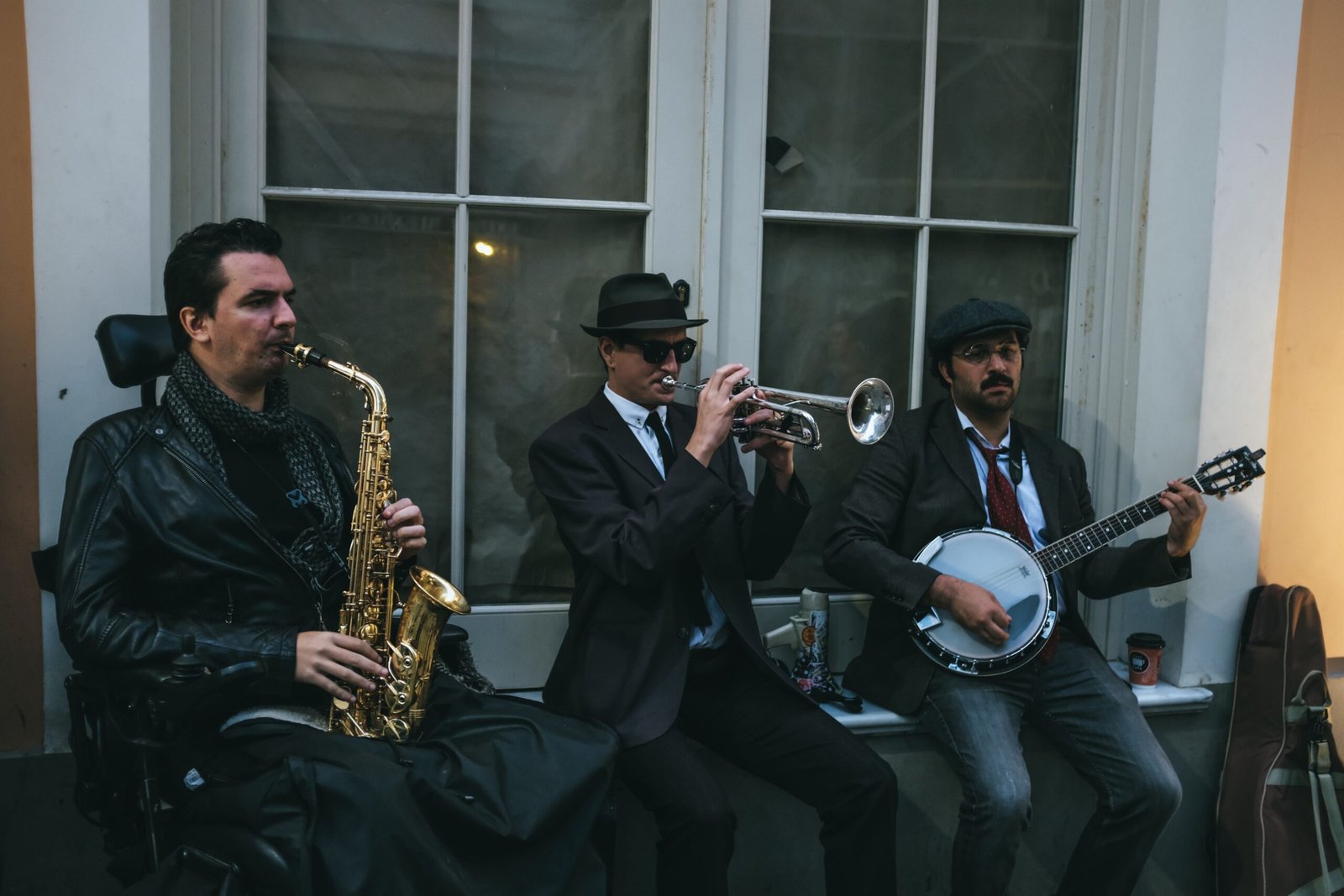
Trumpet music has a distinctive place in the history of musical instruments because few instruments can combine brightness, power, warmth, and expressive character in quite the same way. The trumpet can announce the arrival of a ceremonial event, carry a memorable melody in an orchestra, provide energetic improvisation in a jazz ensemble, or become the central voice of a brass band. Although its modern form is associated with valves, polished metal tubing, and a recognizable bell, the broader history of trumpet-like instruments stretches back thousands of years. Over time, technological developments, changing musical traditions, and innovative performers transformed the trumpet from an instrument used primarily for signals and ceremonies into one of the most versatile melodic instruments in modern music. Today, trumpet music can be found across classical compositions, jazz recordings, marching bands, popular music, film scores, Latin music, funk, contemporary ensembles, and countless other musical settings.
Understanding trumpet music also means understanding what makes the instrument itself so expressive. Unlike instruments where a player simply presses a key or strikes a surface to produce a predetermined pitch, the trumpet depends heavily on the player’s embouchure, breath control, tongue position, hearing, and coordination. The player creates vibration with the lips and uses the valves to change the length of the instrument’s tubing, allowing different notes to be produced. This physical relationship between musician and instrument gives trumpet performances an especially personal quality. Two musicians can perform the same written passage and produce noticeably different interpretations because tone, articulation, dynamics, vibrato, phrasing, and breath support all influence the final sound.
What Is Trumpet Music?
Trumpet music refers broadly to music performed with the trumpet, whether the instrument is playing a leading melody, supporting harmony, adding rhythmic accents, creating fanfares, or improvising. It is not limited to a single genre or musical tradition. A trumpet can sound elegant and restrained in a classical orchestra, warm and lyrical in a ballad, bright and energetic in a marching band, or highly expressive and improvisational in jazz. This variety is one of the main reasons the trumpet has remained important across centuries of musical development.
The sound of the trumpet is created when a player’s vibrating lips send air through the instrument’s tubing. The valves redirect the airflow through different combinations of tubing, changing the instrument’s effective length and allowing the musician to play different pitches. Players also control pitch and character through their embouchure and air support. This means that mastering the trumpet involves considerably more than learning which valve combinations correspond to particular notes. Good trumpet music depends on control of breath, articulation, intonation, tone quality, rhythm, dynamics, and musical expression.
The History of Trumpet Music
The history of trumpet music is closely connected with the development of brass instruments and the changing purposes for which people used them. Ancient trumpet-like instruments were often associated with military communication, religious ceremonies, royal events, and public announcements rather than the kind of melodic performance associated with modern concerts. Early instruments could produce only a limited range of pitches, so their musical possibilities were considerably different from those of the modern trumpet. Nevertheless, these early instruments established the trumpet’s long-standing association with authority, celebration, ceremony, and public performance.
As musical traditions developed in Europe, trumpets gradually became more important in composed instrumental music. Natural trumpets, which did not have modern valves, were capable of producing notes from the harmonic series and were particularly effective in certain keys and registers. Skilled performers could achieve impressive melodic passages, especially in the upper register, and composers increasingly recognized the trumpet’s potential. The development of valves during the nineteenth century represented a major turning point because valves allowed players to access chromatic notes much more easily. This technological change dramatically expanded the possibilities for composers and performers and helped establish the modern trumpet as a fully flexible melodic instrument.
The twentieth century brought another major transformation to trumpet music, particularly through the growth of jazz. Jazz musicians demonstrated that the trumpet could function not only as a powerful orchestral voice but also as an extraordinarily expressive improvisational instrument. Players developed individual approaches to tone, phrasing, rhythm, articulation, and improvisation, helping create styles that continue to influence musicians today. As recording technology, radio, cinema, and popular music expanded, trumpet sounds reached increasingly large audiences, further establishing the instrument as one of the most recognizable voices in modern music.
Trumpet Music in Classical Music
Classical trumpet music has played an important role in orchestras, chamber ensembles, concert bands, and solo performances. In an orchestral setting, trumpets may reinforce harmonic structures, add brilliance to climactic moments, support rhythmic passages, or carry important melodic material. Composers have frequently used the trumpet to create feelings of triumph, celebration, urgency, grandeur, or dramatic intensity. However, the instrument is not restricted to loud or heroic passages. Modern trumpet performance also demonstrates how effectively the instrument can produce delicate, lyrical, and highly controlled sounds.
Classical trumpet repertoire includes solo works, concertos, orchestral excerpts, chamber compositions, and educational pieces. Students often encounter classical repertoire as they develop their technique because it can teach important fundamentals such as accurate intonation, clean articulation, controlled dynamics, phrasing, and tone production. Listening carefully to professional classical trumpet players can also help developing musicians understand how a technically demanding passage can still communicate musical expression rather than simply demonstrating speed or accuracy.
Jazz Trumpet Music
For many listeners, trumpet music is especially strongly associated with jazz. The trumpet became one of the defining instruments of early jazz and continued to evolve as jazz itself moved through different eras and styles. Jazz trumpet players helped establish the importance of improvisation, individual tone, rhythmic freedom, and personal musical vocabulary. Rather than simply reproducing a written melody, a jazz trumpeter may reinterpret it, alter its rhythm, create variations, or build an entirely new improvisational passage around the underlying harmony.
One of the most fascinating characteristics of jazz trumpet is the importance of individual sound. Jazz listeners can often recognize an experienced performer from tone, phrasing, articulation, and improvisational language even before identifying the specific recording. This demonstrates that trumpet music is not only about notes on a page. The musician’s approach to those notes can become an essential part of the artistic identity of a performance. Jazz trumpet therefore provides an excellent example of how technique and creativity can work together.
Trumpet Music in Marching Bands and Brass Ensembles
Marching bands have introduced trumpet music to generations of performers and listeners. In these settings, trumpets often play prominent melodic and rhythmic roles while musicians perform outdoors or move as part of a coordinated formation. The instrument’s projection makes it particularly effective for large ensembles where sound must travel across substantial spaces. Trumpet sections can provide energetic melodies, harmonized lines, accents, and powerful climaxes that help define the overall character of a marching arrangement.
Brass bands and concert bands also demonstrate the versatility of the trumpet. In these ensembles, trumpet parts may interact closely with cornets, trombones, French horns, euphoniums, tubas, percussion, and woodwind instruments. The result can range from traditional marches to contemporary compositions, film arrangements, popular music adaptations, and experimental works. These settings give players opportunities to develop ensemble awareness because successful trumpet music requires listening carefully to the musicians around you rather than concentrating exclusively on your own part.
Popular and Modern Trumpet Music
The trumpet has remained relevant far beyond traditional classical and jazz environments. Contemporary artists and producers use trumpet sounds in pop, funk, soul, hip-hop, Latin music, electronic productions, film scores, television music, and other styles. Sometimes the instrument appears as a prominent solo voice, while in other recordings it may be layered with other brass instruments or processed electronically. This flexibility allows the trumpet to retain its recognizable acoustic character while fitting naturally into modern production techniques.
Modern trumpet music can also involve effects and recording methods that would have been difficult or impossible for earlier musicians to use. Microphones, amplification, digital effects, looping, sampling, and studio processing allow performers and producers to experiment with the instrument’s sound. At the same time, the essential elements of trumpet playing—breath, embouchure, articulation, pitch control, and musical phrasing—remain fundamentally important.
Famous Trumpet Players and Their Influence
The development of trumpet music cannot be separated from the musicians who expanded the instrument’s possibilities. Throughout history, outstanding trumpet players have demonstrated different approaches to sound, technique, improvisation, interpretation, and performance. Jazz musicians in particular helped establish the trumpet as a central improvisational voice, while classical performers expanded the instrument’s role as a refined concert instrument. Each generation has added new ideas to the trumpet tradition.
What makes influential trumpeters particularly valuable to students is not simply their technical ability but their individuality. Listening to several great performers can reveal that there is no single correct way to create an expressive trumpet sound. Some musicians emphasize a brilliant tone, others prefer warmth and softness, while others are known for remarkable articulation, rhythmic creativity, or improvisational imagination. Studying these differences can help developing players understand their own musical preferences and gradually develop a distinctive voice.
How to Start Learning Trumpet Music
Learning trumpet music can be rewarding, but beginners should approach the instrument patiently. Producing a consistent sound is one of the first challenges because the player must learn how to coordinate the lips, air, tongue, and facial muscles. A beginner should focus on developing a comfortable embouchure and steady airflow rather than immediately attempting difficult high notes. Consistent practice with simple exercises can build the physical coordination needed for more advanced playing.
As skills develop, students can work on scales, long tones, articulation exercises, simple melodies, rhythm studies, and progressively more difficult repertoire. Listening is equally important because musical development involves learning how performances should sound, not merely learning how to reproduce written notes. Beginners can benefit from studying recordings of different genres and paying attention to tone, phrasing, breathing, dynamics, and articulation. With regular practice and sensible progression, trumpet music becomes increasingly comfortable and expressive.
Trumpet Techniques That Shape the Sound
Several fundamental techniques have a major influence on trumpet music. Breath support provides the energy required for sustained and controlled playing, while embouchure helps regulate the vibration of the lips and contributes to pitch and tone. Tonguing controls the beginning of notes and allows musicians to create different articulations, from smooth legato passages to crisp and energetic attacks. Players also use dynamics, vibrato, accents, slurs, and changes in articulation to give musical phrases greater personality.
Range is another area that attracts considerable attention among trumpet players, but developing range should not come at the expense of tone quality and control. A musician who can play extremely high notes but struggles with intonation, endurance, or musical phrasing has not necessarily developed a complete trumpet technique. Strong trumpet music comes from balance: technique should serve musical expression rather than become an end in itself.
How to Choose Trumpet Music to Listen To
When exploring trumpet music, it can be helpful to listen across several genres instead of concentrating on only one style. Classical recordings can demonstrate precision, tone control, orchestral awareness, and interpretation. Jazz can introduce improvisation, swing, rhythmic creativity, and highly individual approaches to sound. Marching and brass ensembles demonstrate projection and coordinated ensemble playing, while modern recordings reveal how trumpet can be incorporated into contemporary production.
Listeners should also explore performances rather than focusing exclusively on individual compositions. Hearing the same piece performed by different musicians can reveal how dramatically interpretation changes the character of trumpet music. Differences in tempo, articulation, dynamics, tone, phrasing, and improvisation can transform an otherwise familiar composition into something that feels entirely new.
Why Trumpet Music Remains Popular
The continuing popularity of trumpet music comes from the instrument’s extraordinary combination of accessibility, versatility, and expressive power. A trumpet can be heard clearly within a large ensemble, yet a skilled performer can also produce intimate and delicate passages. It fits naturally into both written and improvised traditions and can move between genres without losing its recognizable identity. From ceremonial fanfares and classical concerts to jazz clubs, school bands, stadium performances, recordings, and movie soundtracks, the trumpet continues to occupy a distinctive musical position.
Another reason trumpet music remains compelling is that the instrument has a strong human quality. The sound is directly connected to the player’s breath and physical control, so subtle changes in air pressure, embouchure, articulation, and phrasing can dramatically influence the result. This gives performances a sense of personality that can make the instrument immediately engaging for both musicians and listeners.
Conclusion
Trumpet music represents much more than a single musical genre. It is a broad tradition shaped by centuries of instrument development, countless musical cultures, and generations of creative performers. From early ceremonial instruments and natural trumpets to modern jazz, classical performance, marching bands, popular recordings, and contemporary studio productions, the trumpet has continually adapted to changing musical environments. Its ability to produce powerful, brilliant sounds while also supporting delicate and expressive playing has made it one of the most enduring brass instruments in the world.
For listeners, exploring trumpet music can open the door to an enormous range of musical experiences. For beginners, learning the trumpet provides an opportunity to develop breath control, musical discipline, listening skills, coordination, and creativity. Whether someone is interested in jazz improvisation, classical repertoire, marching bands, brass ensembles, or modern recordings, the trumpet offers a rich field to explore. The best way to appreciate its possibilities is to listen widely, study different performers, and discover how technique and personal expression combine to create a unique trumpet sound.
Frequently Asked Questions About Trumpet Music
What is trumpet music?
Trumpet music is music that features the trumpet as a solo instrument, ensemble instrument, accompanying voice, or improvisational instrument. It appears in many genres, including classical music, jazz, marching bands, brass music, popular music, Latin music, funk, and contemporary recordings.
Why is trumpet music important in jazz?
The trumpet became one of the defining voices of jazz because it combines strong projection with expressive control and is well suited to improvisation. Generations of jazz trumpeters have developed distinctive approaches to rhythm, tone, phrasing, and melodic improvisation.
Is trumpet music difficult to learn?
Learning the trumpet can be challenging because beginners must coordinate breathing, lip vibration, embouchure, fingering, articulation, and pitch. However, consistent practice and gradual progression can make the learning process manageable and rewarding.
What are the main types of trumpet music?
Major categories include classical trumpet music, jazz trumpet music, marching-band music, brass ensemble music, orchestral trumpet music, Latin trumpet music, popular music, funk, and contemporary experimental music.
How can beginners improve their trumpet playing?
Beginners should practice consistently while focusing on fundamentals such as steady breathing, comfortable embouchure, accurate notes, clean articulation, scales, simple melodies, and good tone production. Listening to skilled performers can also help develop musical awareness.
Who are some famous trumpet players?
The history of trumpet music includes many influential performers from classical and jazz traditions. Studying recordings from different periods is a useful way to discover major players and understand how individual musicians have influenced trumpet technique and style.
Can trumpet music be used in modern music?
Yes. Trumpets continue to appear in pop, funk, soul, hip-hop, Latin music, film scores, television music, electronic productions, and many other contemporary styles. Modern recording technology also allows trumpet sounds to be amplified, layered, sampled, and processed creatively.
What makes the trumpet sound distinctive?
The trumpet’s bright, focused tone comes from its brass construction, cup-shaped mouthpiece, vibrating lips, cylindrical tubing, and flared bell. Players can significantly alter the sound through breath control, embouchure, articulation, dynamics, mutes, and other performance techniques.
Is trumpet music only for professional musicians?
No. Trumpet music can be enjoyed by listeners at every level, and people of many ages learn the instrument recreationally or through school and community ensembles. Professional-level playing requires extensive training, but enjoying and learning trumpet music does not require professional status.



 Lifestyle3 months ago
Camehoresbay: Unveiling the Hidden Gem of Nature, Innovation, and Coastal Splendor
- Tech3 months ago
QLCredit: Unlocking the Power of Digital Lending and Financial Education
- Sports3 months ago
Cricfooty: Your Ultimate Destination for Cricket and Football News, Scores, and Updates
- news3 months ago
Meredith Schwarz: A Comprehensive Look at the Private Life and Professional Journey Behind the Headlines
- Lifestyle2 months ago
Beit Bart 2026: Complete Guide to Meaning, History, and Jerusalem’s Most Trusted Community
- Food3 months ago
Foenegriek vs. Fenegriek: The Ancient Spice with a Name Confusion
- Digital2 months ago
The Rise of SternTao: A Masterclass in High-Stakes Finance and Relentless Ambition from HBO’s “Industry”
- Tech3 months ago
CHJA: A Comprehensive Guide to Its Meaning, Applications, and Significance