Food
Best Guiso de Lentejas Near Me: A Complete Guide to Finding a Delicious Lentil Stew

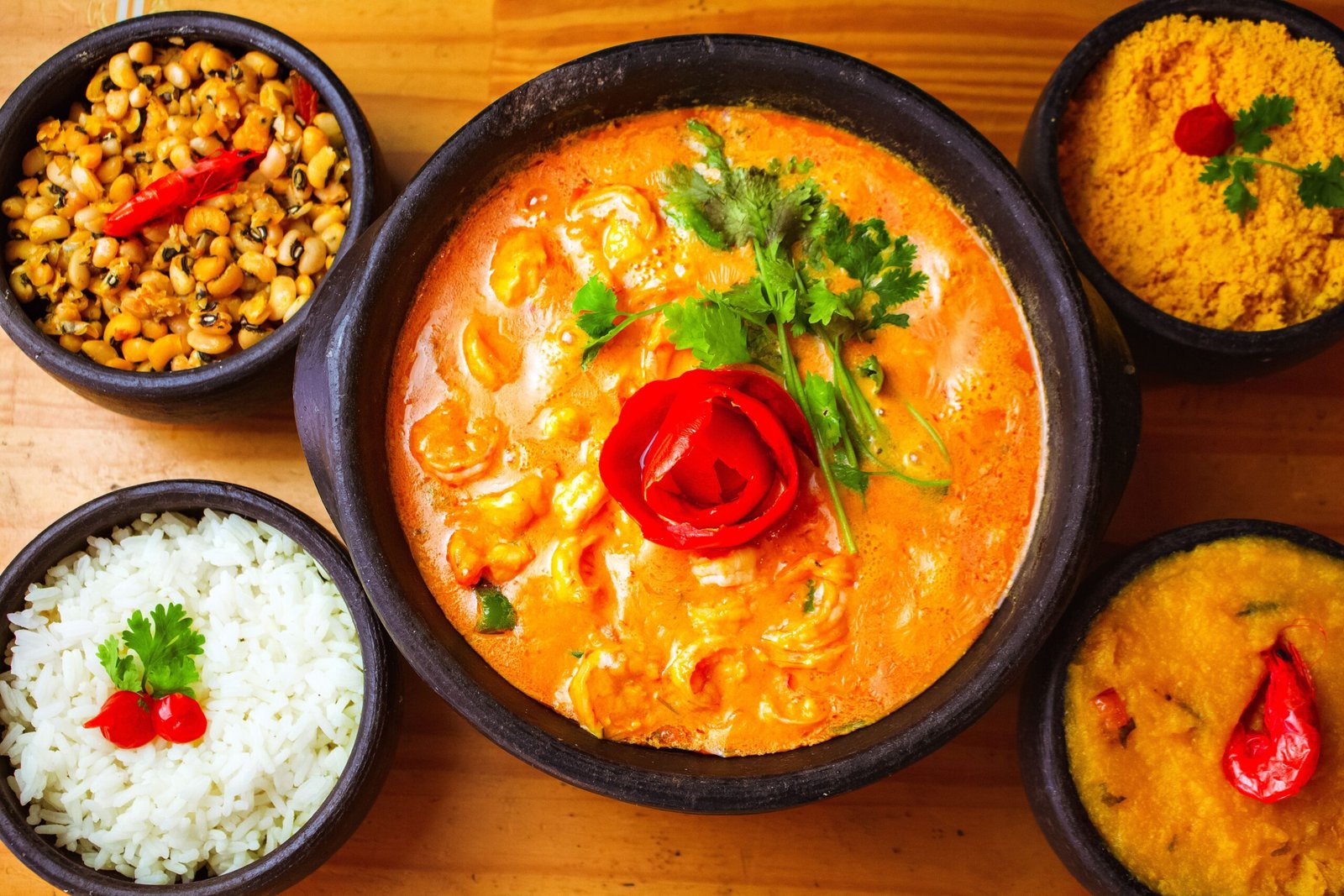
When you search for the best guiso de lentejas near me, you are usually looking for much more than an ordinary bowl of soup. Guiso de lentejas is a comforting lentil stew known for its rich texture, hearty ingredients, satisfying flavor, and home-style character. Depending on the country and cooking tradition, the dish may include lentils, potatoes, carrots, onions, tomatoes, garlic, herbs, spices, sausage, beef, or other flavorful ingredients. Because recipes vary from one kitchen to another, finding the best guiso de lentejas near me can be an enjoyable way to discover authentic Latin American or Spanish-inspired comfort food in your local area. Whether you want a traditional recipe, a restaurant-quality serving, or a homemade version that tastes like something prepared by a family member, knowing what makes a great guiso de lentejas can help you make a better choice.
Best Guiso de Lentejas Near Me: What Does Guiso de Lentejas Mean?
The phrase guiso de lentejas translates roughly to “lentil stew,” but the dish is much more distinctive than a simple lentil soup. Guiso refers to a slow-cooked stew in which ingredients are combined and allowed to develop their flavors over time. Lentils provide the main foundation, while vegetables, seasonings, meat, and broth can contribute additional depth and richness. The exact ingredients depend heavily on regional traditions and personal recipes, which is one reason searches for the best guiso de lentejas near me can lead to very different dining experiences. Some versions are thick and almost creamy because the lentils break down during cooking, while others have a looser consistency with clearly visible vegetables and meat. A good version should generally have tender lentils, well-balanced seasoning, and a satisfying combination of textures without becoming excessively watery or bland.
Why People Search for the Best Guiso de Lentejas Near Me
Searching for the best guiso de lentejas near me is particularly common among people who want a warm, filling meal with traditional flavors. Unlike fast-food dishes that are designed primarily for convenience, a well-prepared lentil stew often reflects a slower cooking process and a strong connection to home-style cuisine. Lentils are naturally hearty and pair well with vegetables, herbs, spices, and savory ingredients, making the dish suitable for a filling lunch or dinner. People may also search for guiso de lentejas when the weather is cold, when they want traditional comfort food, or when they are trying to rediscover a dish they remember from childhood. Local restaurants, family-owned eateries, Latin American food businesses, and specialty kitchens may each prepare the dish differently, so comparing menus and customer feedback can help you identify the version that best matches your preferences.
How to Find the Best Guiso de Lentejas Near Me
Finding the best guiso de lentejas near me starts with searching beyond the exact phrase. Try related searches such as “lentil stew near me,” “guiso de lentejas restaurant,” “Spanish lentil stew near me,” “Latin American lentil stew,” or “homemade lentil stew near me.” These variations can uncover restaurants and food businesses that serve the dish but do not necessarily use the exact phrase in their online listings. Once you find potential options, look carefully at menus, photographs, customer reviews, opening hours, and recent comments. Reviews can be especially useful because diners often mention whether the stew is flavorful, hearty, homemade, spicy, generously portioned, or worth ordering again. If the dish is a daily or seasonal special rather than a permanent menu item, it is also a good idea to check whether it is currently available before making a trip.
What Makes the Best Guiso de Lentejas?
The best guiso de lentejas should have a harmonious combination of flavor, texture, freshness, and seasoning. Lentils should be thoroughly cooked but should not necessarily turn completely mushy unless that is the style being prepared. Vegetables such as carrots, potatoes, onions, peppers, and tomatoes should complement the lentils rather than overpower them. If meat or sausage is included, it should add savory depth without making the entire dish excessively greasy. Seasonings may include garlic, paprika, bay leaves, cumin, black pepper, oregano, or regional herbs, depending on the recipe. A particularly good stew also has a broth or sauce with enough concentration to bring the ingredients together. When searching for the best guiso de lentejas near me, pay attention to descriptions that emphasize slow cooking, traditional preparation, homemade ingredients, or regional authenticity, because these details can indicate a more carefully prepared dish.
Traditional Ingredients Used in Guiso de Lentejas
Although recipes vary considerably, traditional guiso de lentejas often begins with dried or prepared lentils combined with onions, garlic, carrots, potatoes, tomatoes, and seasonings. Some versions add chorizo, sausage, bacon, beef, or another protein to create a richer and more substantial stew, while vegetarian versions rely entirely on vegetables, herbs, spices, and broth for flavor. The cooking liquid is important because it allows the ingredients to blend together while the lentils become tender. Some cooks prepare a sofrito-style base with onions, garlic, tomatoes, peppers, or spices before adding the lentils and remaining ingredients. This additional step can create a deeper flavor than simply boiling everything together. If you are searching for the best guiso de lentejas near me, checking the restaurant’s menu description can help you determine whether its version resembles the traditional style you want.
Guiso de Lentejas vs. Regular Lentil Soup
Although guiso de lentejas and lentil soup share many ingredients, their textures and preparation methods can be quite different. Lentil soup is often thinner and more broth-focused, while guiso de lentejas is generally thicker, heartier, and more stew-like. The distinction is not absolute because recipes differ by region and family, but the word “guiso” usually suggests a substantial dish in which the ingredients are cooked together until their flavors become deeply integrated. Someone searching for the best guiso de lentejas near me may therefore be disappointed if they receive a very thin soup when they were expecting a thick and hearty stew. Looking at photographs and menu descriptions before ordering can help set the right expectations.
Where to Look for the Best Guiso de Lentejas Near Me
The best place to find guiso de lentejas near me depends on your location and the culinary traditions represented in your community. Latin American restaurants, Spanish restaurants, Argentine eateries, family-run cafés, neighborhood kitchens, and specialty food businesses can all be worth exploring. Some establishments may offer guiso de lentejas as a regular menu item, while others prepare it only on particular days or during cooler seasons. Local food groups and recent customer reviews can also reveal smaller restaurants that do not have a large online presence. When comparing different places, consider not only ratings but also the consistency of reviews, the authenticity of the food, portion sizes, preparation style, and whether customers describe the dish as homemade or freshly prepared.
How to Choose a Restaurant When Searching for Guiso de Lentejas Near Me
Choosing a restaurant for guiso de lentejas near me should involve more than selecting the first result in a search engine. Start by identifying restaurants that clearly describe the dish and then compare their reviews and menu information. Recent reviews are often more useful than very old reviews because recipes, chefs, prices, and menu offerings can change. Photos can also help you determine whether the stew looks thick and hearty or lighter and more broth-based. If you have dietary preferences, check whether the dish contains meat, sausage, dairy, or other ingredients you want to avoid. Calling the restaurant can be worthwhile if guiso de lentejas is listed as a special rather than a permanent menu item. This small amount of research can significantly improve your chances of finding a serving that matches what you are craving.
The Appeal of Homemade Guiso de Lentejas
One reason people love guiso de lentejas is its connection to home cooking. A homemade lentil stew can be inexpensive, filling, adaptable, and deeply comforting, while also allowing the cook to adjust the seasoning and ingredients. Families often develop their own versions over generations, with one household adding sausage, another emphasizing vegetables, and another using specific herbs or spices. This variety means there is no single recipe that represents every guiso de lentejas. When you search for the best guiso de lentejas near me, you may discover that the restaurant version differs from the one you grew up eating, but that difference can be part of the appeal. Exploring several preparations can help you discover new flavors while appreciating the traditions behind the dish.
Vegetarian and Vegan Guiso de Lentejas Options
People who do not eat meat can still enjoy an excellent guiso de lentejas. Vegetarian and vegan versions can use lentils, potatoes, carrots, onions, peppers, tomatoes, garlic, herbs, spices, and vegetable broth to create a rich and satisfying meal without animal products. The key is developing enough depth of flavor so that the stew does not taste flat. Slow cooking vegetables with aromatics and spices can produce a hearty base, while lentils provide protein and texture. If you are searching for vegan guiso de lentejas near me or vegetarian lentil stew near me, check restaurant menus carefully because some traditional recipes may contain chorizo, bacon, meat stock, or other animal-derived ingredients even when vegetables make up most of the dish.
Guiso de Lentejas as Comfort Food
Guiso de lentejas has many qualities associated with classic comfort food. It is warm, filling, aromatic, and usually served in a generous portion that can make a simple meal feel substantial. The combination of tender lentils, vegetables, savory broth, and herbs creates a flavor profile that is both familiar and satisfying. For many people, the dish also carries cultural and emotional associations because lentil stews are prepared in numerous households across different countries and regions. This is another reason the search for the best guiso de lentejas near me is not simply about finding any lentil dish. People often want something that tastes authentic, carefully prepared, and reminiscent of traditional home cooking.
Tips for Ordering Guiso de Lentejas at a Restaurant
When you find a restaurant serving guiso de lentejas, consider asking how the dish is prepared if the menu does not provide enough information. You may want to know whether it contains meat, sausage, or a vegetarian base, as well as whether the restaurant serves it daily or as a special. If you prefer a thick stew, you can ask whether the consistency is hearty rather than soup-like. It can also be useful to ask about portion size and side dishes, particularly if the restaurant serves the stew with bread, rice, potatoes, salad, or another accompaniment. These simple questions can help you choose the best guiso de lentejas near me based on your personal preferences rather than relying solely on a restaurant’s overall rating.
Related Searches for Guiso de Lentejas Near Me
People searching for best guiso de lentejas near me may also use several related search phrases, including “lentil stew near me,” “guiso de lentejas restaurant near me,” “authentic guiso de lentejas,” “traditional lentil stew near me,” “Spanish lentil stew near me,” “Latin American lentil stew near me,” “Argentine lentil stew near me,” “homemade guiso de lentejas,” “vegetarian guiso de lentejas near me,” and “vegan lentil stew near me.” Including these related terms in an article is useful because different searchers describe the same food in different ways. However, the phrases should be incorporated naturally into useful sections rather than repeated mechanically. A strong article should answer the reader’s actual questions about the food, restaurants, ingredients, preparation, and dining experience.
Why Local Reviews Matter When Looking for Guiso de Lentejas
Local reviews can be particularly valuable when searching for the best guiso de lentejas near me because the quality of a dish can vary significantly from one restaurant to another. A restaurant may have excellent overall ratings but receive mixed feedback about a particular dish, while a smaller neighborhood establishment may have fewer reviews but consistently positive comments about its homemade food. Look for repeated observations rather than relying on a single review. If several recent customers praise the stew’s flavor, tenderness, portion size, and authentic preparation, that is more meaningful than one isolated comment. At the same time, remember that taste is subjective, so the “best” guiso de lentejas ultimately depends on whether you prefer a meat-based or vegetarian recipe, a thick or lighter consistency, and mild or strongly seasoned flavors.
Conclusion
Finding the best guiso de lentejas near me can be a rewarding food search because this traditional lentil stew offers warmth, richness, and a wide variety of regional cooking styles. The ideal serving should have tender lentils, flavorful vegetables, balanced seasoning, and a satisfying stew-like consistency, although the exact recipe can differ significantly between restaurants and families. To find the right option, search for related terms, compare local menus, read recent reviews, examine food photographs, and confirm that the dish is currently available. Whether you prefer a traditional meat-based preparation, a vegetarian recipe, or a vegan version, exploring local restaurants can help you discover a guiso de lentejas that matches your taste. Rather than simply choosing the first search result, take the time to compare options and look for evidence of fresh preparation, authentic flavors, and consistently positive customer experiences.
Frequently Asked Questions About Best Guiso de Lentejas Near Me
What is guiso de lentejas?
Guiso de lentejas is a hearty lentil stew commonly prepared with lentils, vegetables, seasonings, and sometimes meat or sausage. Recipes vary by country, region, and family, so the flavor and consistency can differ considerably.
How do I find the best guiso de lentejas near me?
Search for “best guiso de lentejas near me,” “lentil stew near me,” and related phrases, then compare restaurant menus, recent reviews, photographs, and availability. Looking at reviews specifically mentioning the dish can be more useful than relying only on a restaurant’s overall rating.
Is guiso de lentejas spicy?
It depends on the recipe. Many traditional versions are savory rather than extremely spicy, although peppers, paprika, chili, or other seasonings may be used. If you prefer mild food, ask the restaurant about the seasoning before ordering.
Does guiso de lentejas contain meat?
Some traditional versions contain chorizo, sausage, bacon, beef, or other meats, while vegetarian and vegan versions contain no meat. Always check the ingredients if you follow a specific diet.
Is guiso de lentejas the same as lentil soup?
Not exactly. Both dishes use lentils, but guiso de lentejas is generally thicker and more substantial than a typical lentil soup. The distinction can vary depending on the regional recipe and cooking style.
What ingredients are commonly used in guiso de lentejas?
Common ingredients include lentils, onions, garlic, carrots, potatoes, tomatoes, peppers, herbs, spices, and broth. Meat or sausage may be added depending on the recipe.
Can I find vegetarian guiso de lentejas near me?
Yes. Many restaurants and home-style kitchens offer vegetarian or vegan versions. Search specifically for “vegetarian guiso de lentejas near me” or “vegan lentil stew near me” and verify the ingredients before ordering.
What should I look for in a good lentil stew?
Look for tender but well-cooked lentils, flavorful vegetables, balanced seasoning, a rich broth or sauce, and a satisfying consistency. Fresh preparation and consistently positive customer reviews are also useful indicators.
When is the best time to eat guiso de lentejas?
Guiso de lentejas can be enjoyed throughout the year, but its warm and hearty character makes it especially appealing during cooler weather. Many restaurants also offer it as a seasonal or daily special.
Why is guiso de lentejas considered comfort food?
Its warm temperature, hearty texture, rich flavor, and connection to traditional home cooking make guiso de lentejas a popular comfort food. Family recipes and regional variations also give the dish a strong cultural identity
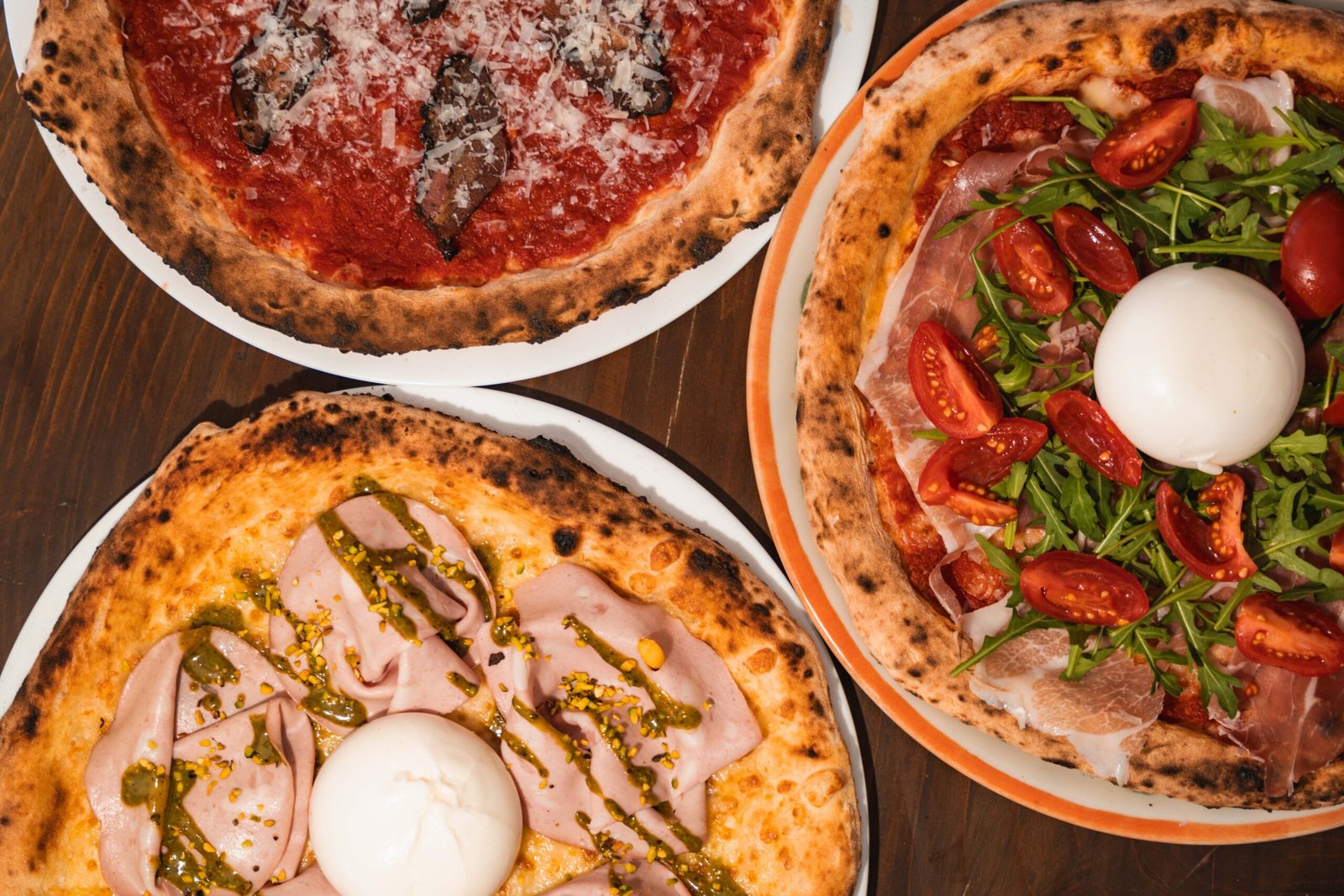
Searching for the best pizza porteña near me is a little different from searching for an ordinary pizza restaurant. Pizza porteña, the pizza tradition closely associated with Buenos Aires, has developed a distinctive identity shaped by Italian immigration and Argentine culinary culture. Traditional Buenos Aires pizzerias are especially known for styles such as pizza al molde, which generally features a thicker and more substantial dough, along with a generous amount of melted cheese. The food tradition is deeply connected to the social and cultural life of Buenos Aires, where classic pizzerias have become gathering places for families, friends, workers, and visitors.
For anyone typing best pizza porteña near me into a search engine, the challenge is that nearby pizza restaurants may serve many different styles. A restaurant can make excellent Neapolitan, New York, Chicago, or artisan pizza without serving the Buenos Aires-style experience the searcher actually wants. This is why understanding the defining characteristics of pizza porteña can make a local food search much more successful. Once you know what terms to search for, what dishes to examine on a menu, and what characteristics to look for in customer photographs and reviews, finding an authentic or high-quality Argentine-style pizza becomes much easier.
What Is Pizza Porteña?
Pizza porteña generally refers to the pizza culture and traditional styles associated with Buenos Aires, Argentina. The word porteño is commonly associated with Buenos Aires, and the city’s pizza tradition developed from Italian culinary influences that evolved into something distinctly Argentine. Traditional Buenos Aires pizza is often associated with substantial dough, abundant cheese, and styles that differ significantly from the lighter, thinner pizzas that many people associate with Italy. Official Buenos Aires tourism information describes the city’s traditional pizza as strongly influenced by Italian immigration and notes the importance of the thicker, spongier, deep-pan-style pizza al molde.
One of the reasons people enjoy searching for the best pizza porteña near me is that this pizza offers a very different eating experience. Instead of focusing only on a thin crust and a restrained amount of toppings, many traditional porteño pizzas are known for a substantial base and an impressive quantity of cheese. Google Arts & Culture describes classic porteño pizza as a style characterized by thick dough and an abundance of cheese, while traditional Buenos Aires pizzerias often offer both quick slice service and sit-down dining.
Why Pizza Porteña Is Different From Other Pizza Styles
The most important difference is not simply that pizza porteña can be thicker than other styles. The identity of Buenos Aires pizza comes from the overall relationship between the dough, cheese, toppings, baking method, and dining culture. A traditional pizza al molde is prepared in a pan, producing a dough that can be thicker and more spongy than a very thin pizza. The generous layer of cheese is also a defining characteristic, making the finished pizza rich, filling, and visually distinctive. Buenos Aires tourism information specifically identifies the city’s typical al molde pizza as a deep-pan style with extra yeast and generous amounts of cheese.
This distinction matters when searching for the best pizza porteña near me because not every thick pizza is Argentine or Buenos Aires-style. Many international pizza traditions use substantial dough, but the ingredients, preparation methods, and cultural traditions can be completely different. A good search should therefore focus on the complete experience rather than relying on crust thickness alone. Looking for Argentine terminology, traditional menu items, generous mozzarella, onion-based specialties, and evidence of Buenos Aires culinary influences can provide a much better indication of whether a restaurant serves the style you want.
What Should You Look for When Searching for the Best Pizza Porteña Near Me?
The first step is to use more than one search phrase. While best pizza porteña near me should remain the primary keyword, local restaurants may not use the exact phrase on their websites or menus. Try related searches such as Argentine pizza near me, Buenos Aires pizza near me, Argentine pizzeria near me, fugazzeta near me, and fugazza near me. These search variations can uncover restaurants that specialize in Argentine food but describe their pizza using a different term.
After finding potential restaurants, examine the menu carefully. A restaurant that genuinely specializes in Buenos Aires-style pizza may offer traditional names or ingredients associated with the style. Look for words such as al molde, fugazza, fugazzeta, muzzarella, or references to Buenos Aires and Argentine pizza traditions. The menu is usually more informative than a generic restaurant description because it shows what the kitchen actually prepares and what the establishment considers its specialties.
The Importance of Fugazza and Fugazzeta
Anyone seriously searching for the best pizza porteña near me should learn about fugazza and fugazzeta. These famous Argentine pizza styles can help identify restaurants with a genuine connection to Buenos Aires pizza culture. Fugazza is strongly associated with onions and is related to the city’s Italian culinary heritage, while fugazzeta is widely recognized as one of the best-known Argentine pizza variations, combining the rich cheese-forward character of Buenos Aires pizza with the flavor of onions.
Fugazzeta is particularly useful as a test of a restaurant’s interpretation of porteño pizza because it highlights several characteristics that make the style memorable. The dough needs enough structure to support a rich filling or substantial layer of cheese, while the onions must complement rather than overwhelm the rest of the pizza. When a restaurant handles these elements well, the result can be an exceptionally rich and satisfying meal. If you are unfamiliar with the style, trying a classic mozzarella pizza first and then ordering fugazzeta is an excellent way to compare the foundation of the pizzeria’s dough and cheese with one of Buenos Aires’ more distinctive specialties.
Check Restaurant Photos Before You Visit
Photographs can be extremely helpful when trying to find the best pizza porteña near me. Search engines, restaurant websites, food-delivery platforms, and review sites often include customer photographs that show what a pizza actually looks like. Look beyond polished promotional images and pay attention to pictures uploaded by diners. These photographs can reveal whether the pizza has the substantial crust, generous cheese, and overall appearance associated with the Buenos Aires style.
Photos are particularly useful for evaluating portion size and consistency. A restaurant may describe a pizza as Argentine-inspired, but customer photographs can show whether the final product genuinely resembles the traditional style. Examine several images rather than relying on one photograph. If the pizzas repeatedly appear substantial, generously topped, and similar across multiple customer images, you may have found a promising option.
Read Recent Reviews Carefully
Reviews are another important part of choosing the best pizza porteña near me, but the overall star rating should not be your only consideration. Read the actual comments and search for details about the crust, cheese, toppings, freshness, service, and consistency. A restaurant with a slightly lower overall rating but enthusiastic comments about its Argentine pizza may be a better choice than a highly rated general pizzeria that does not specialize in the style.
Recent reviews are especially valuable because restaurants can change chefs, menus, suppliers, and preparation methods. Look for recurring comments from customers who specifically mention Buenos Aires-style pizza, fugazzeta, Argentine ingredients, or the restaurant’s cheese and dough. These details are often more useful than vague statements saying that the food was simply “good” or “bad.” The goal is to discover whether the restaurant consistently delivers the particular experience implied by the phrase best pizza porteña near me.
Compare Several Restaurants Instead of Choosing the First Result
The first restaurant appearing in a search result is not automatically the best option. Search engines may rank businesses based on distance, popularity, advertising, relevance, and other factors. If you have several possible choices, compare them using a consistent set of criteria. Consider the menu, photographs, customer comments, distance, prices, delivery options, and whether the restaurant appears to specialize in Argentine food.
A restaurant that is five minutes closer may be more convenient, but another restaurant slightly farther away may offer a much more authentic experience. Similarly, a famous pizzeria may have excellent pizza but specialize in a completely different style. The phrase best pizza porteña near me combines two intentions: finding something local and finding something specific. The best choice is therefore the restaurant that balances convenience with the characteristics you personally value most.
Pizza Porteña and the Importance of Cheese
Cheese is one of the most recognizable features of traditional Buenos Aires pizza. Classic porteño pizza is famous for its abundance of melted cheese, and this characteristic is repeatedly emphasized in descriptions of the city’s historic pizzerias. Google Arts & Culture highlights the thick dough and plentiful cheese associated with the style, while Buenos Aires tourism information similarly describes traditional al molde pizza as having a thicker, spongier base topped with generous amounts of cheese.
However, more cheese does not automatically mean better pizza. The quality of the experience depends on balance. The cheese should complement the dough rather than turn the pizza into an excessively greasy or heavy dish. A good restaurant should also maintain consistency so that the crust remains structurally sound beneath the toppings. When evaluating the best pizza porteña near me, look for evidence that the restaurant understands this balance rather than simply adding an enormous quantity of cheese for visual effect.
The Role of Pizza al Molde
Pizza al molde is one of the most important concepts to understand when learning about Buenos Aires pizza. The term refers to a pan-baked style that produces a more substantial dough than extremely thin pizza traditions. The pan helps shape the base and contributes to the texture of the finished pizza, allowing it to support a generous amount of cheese and toppings. Buenos Aires tourism information specifically identifies this deeper, thicker, spongier pan-style pizza as a characteristic part of the city’s pizza tradition.
When searching for the best pizza porteña near me, a menu offering pizza al molde can therefore be an encouraging sign. It does not guarantee that every restaurant’s version will be authentic or exceptional, but it shows that the business may be engaging directly with a traditional Buenos Aires style. If you are new to Argentine pizza, ordering a classic al molde mozzarella pizza can provide a useful introduction to the relationship between the dough, cheese, and sauce before you explore more elaborate toppings.
Why Authenticity Matters in Your Search
Authenticity can mean different things to different diners. Some people want a pizza that closely follows the traditions of Buenos Aires, while others simply want a delicious restaurant interpretation inspired by Argentine pizza. Both preferences are valid, but understanding the difference can improve your search results. If authenticity is important to you, investigate whether the restaurant has Argentine ownership, Argentine chefs, traditional menu items, or a documented connection to Buenos Aires culinary traditions.
At the same time, avoid assuming that every restaurant labeled “Argentine” automatically makes authentic pizza porteña. Some Argentine restaurants focus primarily on grilled meats, empanadas, desserts, or other dishes. Their pizza may be a minor part of the menu. A pizzeria that specializes in Buenos Aires pizza and demonstrates knowledge of traditional styles may provide a stronger answer to your search for the best pizza porteña near me.
Should You Eat Pizza Porteña at the Restaurant or Order Delivery?
The answer depends on your priorities. Eating at the restaurant gives you the opportunity to enjoy the pizza immediately after baking, when the crust and cheese are at their ideal texture. This can be especially important for a cheese-heavy pizza because delivery time may affect the crispness of the base and the condition of the toppings. Traditional Buenos Aires pizzerias are also part of a broader dining culture in which pizza can be enjoyed quickly by the slice or as a longer sit-down meal.
Delivery, however, is often the more convenient option. If you are comparing restaurants for delivery, pay particular attention to reviews mentioning how well the pizza travels. A thicker and more substantial pizza may sometimes retain its structure better than a very delicate thin-crust pizza, but excessive moisture can still affect the bottom of the crust. The best pizza porteña near me for dine-in may therefore be different from the best option for delivery.
Common Mistakes When Searching for the Best Pizza Porteña Near Me
One common mistake is searching only for pizza near me. This produces a much broader group of restaurants and may bury Argentine or Buenos Aires-style options beneath more common pizza businesses. Using specific related keywords gives search engines a better understanding of your intention and increases the chance of discovering relevant restaurants.
Another mistake is assuming that a thick crust automatically means pizza porteña. Thickness is only one characteristic. The dough, cheese, preparation style, toppings, and restaurant’s overall culinary tradition are also important. Similarly, a restaurant with an excellent overall reputation may not be the right choice if it specializes in a different style.
A third mistake is ignoring the menu. Restaurant menus can provide much more useful information than generic search descriptions. If you see fugazzeta, fugazza, al molde, Argentine pizza, or explicit references to Buenos Aires, those details can help you narrow your choices.
Finally, do not ignore your personal preferences. The best pizza porteña near me is not necessarily the same for everyone. One diner may prefer an extremely cheesy fugazzeta, while another may want a simpler mozzarella pizza with a lighter crust. The ideal restaurant should match your taste as well as the characteristics of the style.
How to Order Pizza Porteña for the First Time
If this is your first experience with Buenos Aires-style pizza, begin with a relatively simple order. A classic mozzarella pizza allows you to evaluate the foundation of the restaurant’s pizza-making. Pay attention to the dough, sauce, cheese, seasoning, and overall balance. This simple starting point can tell you a great deal about the quality of a pizzeria.
After that, try a more distinctive specialty such as fugazzeta. This gives you a deeper introduction to the rich, cheese-forward personality associated with Argentine pizza. If the restaurant offers several Buenos Aires-style specialties, ask which one is most representative of its approach. Many pizzerias have signature pizzas that can provide a better experience than ordering a completely customized combination of toppings.
Pizza Porteña as Part of Buenos Aires Food Culture
Pizza in Buenos Aires is more than an imported Italian dish. Over generations, it developed into a local tradition with its own styles, rituals, and passionate debates about which pizzeria serves the best version. Accounts of the city’s classic pizzerias emphasize the importance of thick dough, abundant cheese, neighborhood traditions, and the social experience of eating pizza.
This cultural background helps explain why searching for the best pizza porteña near me can lead to a more interesting dining experience than simply ordering another familiar pizza. You are searching for a culinary tradition shaped by migration, local ingredients, restaurant culture, and decades of evolution. Even when you find a restaurant outside Argentina, understanding this background helps you recognize the characteristics that make the style distinctive.
A Simple Checklist for Finding the Best Pizza Porteña Near Me
Search for best pizza porteña near me
Try related searches such as Argentine pizza near me
Search for Buenos Aires pizza near me
Look for fugazzeta near me
Check whether the restaurant offers pizza al molde
Examine the full menu before visiting
Look at multiple customer photographs
Read recent reviews rather than relying only on ratings
Compare several nearby restaurants
Consider whether you want dine-in or delivery
Start with a classic mozzarella pizza if you are new to the style
Try fugazzeta for a more distinctive Buenos Aires pizza experience
Conclusion
Finding the best pizza porteña near me becomes much easier when you understand what makes Buenos Aires-style pizza unique. Rather than choosing the first nearby pizza restaurant, use specific search terms, compare menus, examine photographs, read recent reviews, and look for traditional dishes such as fugazza, fugazzeta, and pizza al molde. Traditional porteño pizza is closely connected with Buenos Aires and its history of Italian immigration, while its substantial dough and generous cheese distinguish it from many other well-known pizza styles.
The perfect restaurant will depend on your own preferences for crust thickness, cheese, toppings, authenticity, price, location, and dining experience. For some people, the best choice will be a traditional Argentine pizzeria with a classic menu. For others, it may be a local restaurant offering a modern interpretation of Buenos Aires pizza. By searching intelligently and understanding the characteristics of the style, you can turn a simple best pizza porteña near me search into a much more successful and enjoyable food discovery.
Frequently Asked Questions About Best Pizza Porteña Near Me
What does pizza porteña mean?
Pizza porteña generally refers to the pizza traditions and styles associated with Buenos Aires, Argentina. The style developed through strong Italian culinary influences and evolved into a distinctive part of Buenos Aires food culture.
How can I find the best pizza porteña near me?
Start by searching for best pizza porteña near me, then try related phrases such as Argentine pizza near me, Buenos Aires pizza near me, Argentine pizzeria near me, and fugazzeta near me. Compare menus, photographs, reviews, location, and specialties before choosing.
What is pizza al molde?
Pizza al molde is a traditional pan-baked pizza style associated with Buenos Aires. It generally has a thicker, more substantial and spongier dough than very thin pizza styles and can support generous amounts of cheese.
What is fugazzeta?
Fugazzeta is one of the best-known Argentine pizza styles and is associated with the cheese-rich character of Buenos Aires pizza. It is closely related to fugazza and is a useful specialty to look for when searching for an authentic Argentine pizzeria.
Is pizza porteña the same as Neapolitan pizza?
No. Although both traditions have Italian connections, they developed differently. Buenos Aires-style pizza is often associated with more substantial dough and generous amounts of cheese, while traditional Neapolitan pizza follows its own distinct preparation and texture.
Is pizza porteña always thick?
Not every Buenos Aires pizza follows exactly the same format. However, pizza al molde is a traditional style known for its thicker and more substantial pan-baked base.
What should I order if I am trying pizza porteña for the first time?
A classic mozzarella pizza is an excellent starting point because it allows you to experience the restaurant’s dough, sauce, and cheese. After that, try fugazzeta if you want a more distinctive and rich Buenos Aires-style specialty.
How do I know whether a restaurant serves authentic pizza porteña?
Look for traditional menu terminology, Argentine or Buenos Aires culinary references, pizza al molde, fugazza, fugazzeta, and evidence that the restaurant understands the cheese-forward, substantial style associated with traditional porteño pizzerias.
Is the highest-rated nearby pizza restaurant always the best choice?
Not necessarily. A highly rated restaurant may specialize in a different pizza style. For the best results, compare the restaurant’s menu and customer comments with the specific characteristics you want from pizza porteña.
Can I order pizza porteña for delivery?
Yes, if a nearby restaurant offers delivery. Before ordering, check recent customer reviews for comments about delivery time, pizza temperature, crust quality, and how well the food arrives.
Introduction
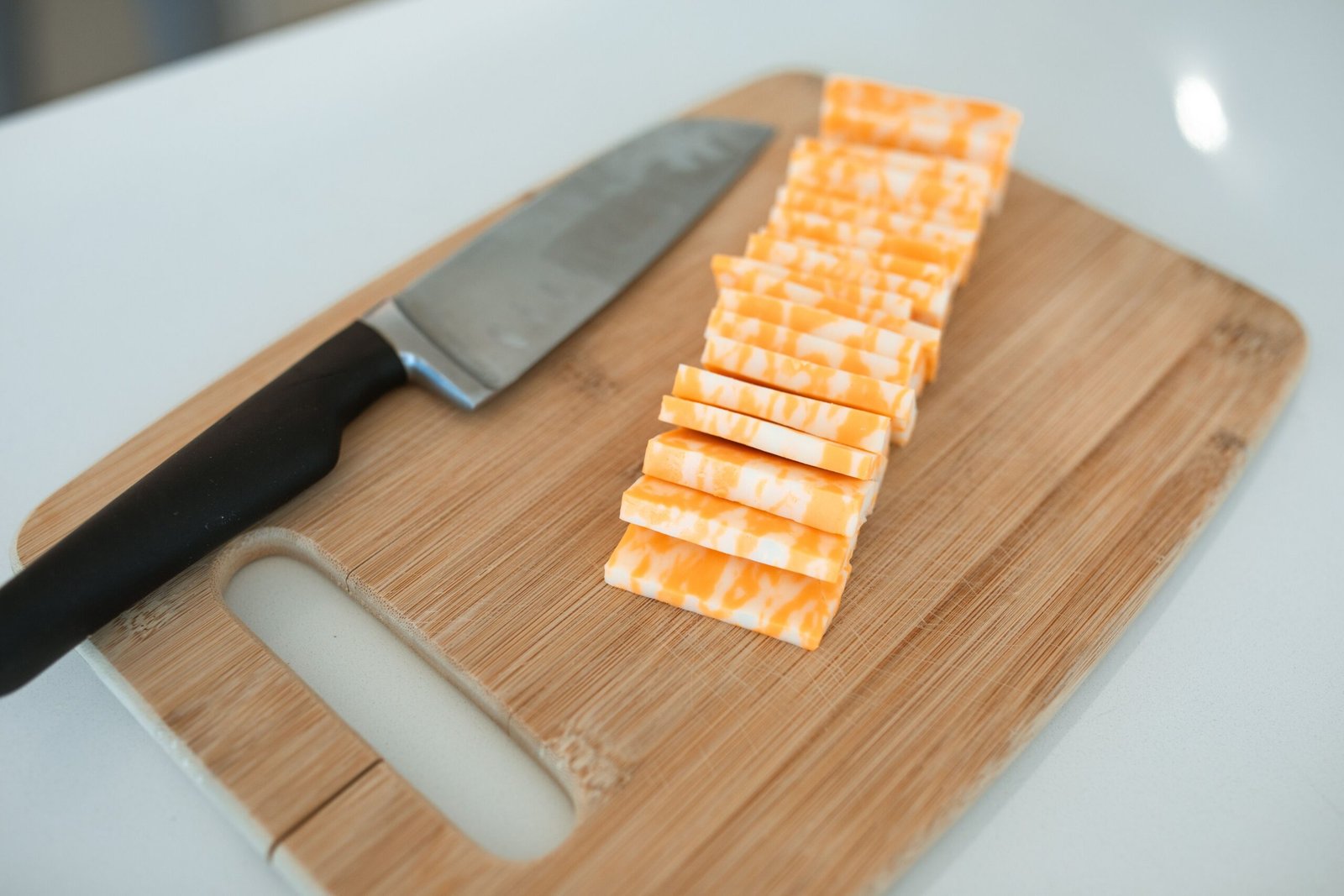
Colby Jack cheese occupies a unique and beloved space in the American culinary landscape. With its distinctive orange-and-white marbled appearance and approachable, mild flavor, this cheese has become a staple in kitchens across the country. But what exactly is Colby Jack, and how did this Wisconsin original rise to such widespread popularity? Whether you are a home cook looking to elevate your grilled cheese game or a cheese enthusiast curious about this American classic, this article will provide you with the knowledge to appreciate and utilize Colby Jack cheese to its fullest potential.
The Origins and History of Colby Jack Cheese
To understand Colby Jack, one must first understand its two parent cheeses: Colby and Monterey Jack. The story of Colby Jack is a true American tale, rooted in innovation and the spirit of cheesemaking that has defined the dairy industry in the United States.
The Birth of Colby in Wisconsin
The Colby half of this equation has deep roots in Wisconsin, a state that has rightfully earned its reputation as “America’s Dairyland. Steinwand, who had studied cheesemaking at the University of Wisconsin-Madison, decided to experiment with the traditional cheddar recipe. His innovation was a simple yet transformative one: he washed the cheese curds with cold water and did not press the cheese for as long as cheddar required .
This process resulted in a gentler, creamier, and more approachable cheese than the sharper cheddar that was prevalent at the time. The cold-water washing of the curds stops the acidification process, which prevents the development of the sharp, tangy flavor characteristic of aged cheddars. The result was a softer, milder cheese with a more open, springy texture . Customers loved this new creation, and Steinwand named it after his hometown. This innovation quickly became a point of pride for Wisconsin and remains one of the state’s original contributions to the world of cheese .
Monterey Jack’s Californian Roots
Monterey Jack, the other half of the Colby Jack equation, has a distinct history that originated in California. Its roots can be traced back to the Spanish mission system in the 1700s, where missionaries and colonists in present-day Monterey created a soft, white cheese called “queso blanco país” (country-style white cheese) . This cheese was a staple of their diet, made from the milk of the cattle they had brought with them.
The name “Monterey Jack” came later, in the 1800s, after the United States had taken control of California. A businessman named David Jacks settled in Monterey and took control of the land and dairy operations previously held by the missions . He began producing and marketing the cheese on a larger scale, calling it “Jack’s Cheese,” which eventually evolved into the name Monterey Jack . The popularity of this mild, buttery cheese grew, and it became a staple in California and across the nation.
The Perfect Union: Colby + Monterey Jack
The combination of Colby and Monterey Jack into the marbled cheese we know today happened in Wisconsin in 1979 at the Arena Cheese factory . As the story goes, at the end of a busy day, a cheesemaker noticed there was a small amount of Colby and a small amount of Monterey Jack left. Because the two cheeses have a similar make process, he wondered what would happen if he put them together in a mold . The result was an instant classic. What might have started as a simple experiment quickly became a Wisconsin original that is now beloved nationwide .
How Colby Jack Cheese is Made
The production of Colby Jack is a fascinating process that involves creating two separate cheeses and then skillfully blending them together. The process begins with two separate batches of cheese curds: one for the Colby and one for the Monterey Jack .
Creating the Two Cheeses
Colby and Monterey Jack are both made from cow’s milk, but each follows its own specific recipe for curd formation and whey draining. For the Colby portion, annatto, a natural plant-based coloring derived from the seeds of the achiote tree, is added to give it that characteristic orange hue . The orange color is not just for aesthetics; it has become a signature identifier of Colby cheese. Meanwhile, the Monterey Jack curds are left in their natural, creamy white state.
The Blending Process
The true magic happens when both batches of curds are ready. The warm, orange Colby curds and the white Monterey Jack curds are gently blended together . The key is to combine them so that they intermingle without fully mixing. This careful blending creates the signature marbled effect, with swirls and ribbons of orange and white running through the cheese. The blended curds are then pressed into forms and aged for a brief period, typically just a few weeks to a few months .
Why the Short Aging Matters
The relatively short aging time is intentional and crucial to the final product’s character. This brief aging keeps Colby Jack‘s texture supple and its flavor mild and approachable . Unlike aged cheddars that develop sharpness and crumbly textures over time, Colby Jack is meant to be enjoyed young. This short aging process ensures the cheese retains its excellent melting properties and its gentle, creamy flavor, making it a fantastic choice for a wide range of dishes .
Flavor Profile and Texture
Colby Jack is celebrated for its mild and approachable flavor profile. It combines the best qualities of its two parent cheeses: the mild, slightly sweet character of Colby and the creamy, buttery smoothness of Monterey Jack . The flavor is decidedly mild, with no sharpness or pungency, making it a perfect cheese for those who find aged or stronger cheeses too intense .
In terms of texture, Colby Jack is a semi-soft, smooth, and sliceable cheese . It has a pleasant, yielding firmness that allows it to be easily sliced for sandwiches, cubed for cheese boards, or shredded for cooking. Its semi-hard texture also makes it easy to grate, especially when cold . This versatile texture makes it a joy to work with in the kitchen.
The Melting Superpower
One of the standout features of Colby Jack cheese is its exceptional ability to melt . When exposed to heat, Colby Jack becomes smooth, creamy, and gloriously gooey without turning greasy or separating . This makes it one of the best melting cheeses available, rivaling even American cheese and mozzarella in this regard .
This superior meltability makes Colby Jack the ideal choice for a wide variety of cooked dishes. It is the perfect cheese for a classic grilled cheese sandwich, delivering a satisfying, stretchy cheese pull. It melts beautifully over burgers, becoming creamy and complementing the meat without overpowering it. It is also an excellent choice for quesadillas, casseroles, mac and cheese, and any recipe where a smooth, creamy cheese sauce is desired .
Nutritional Profile of Colby Jack Cheese
Like most cheeses, Colby Jack is a nutrient-dense food that provides protein and calcium, but it also comes with considerations regarding fat, sodium, and calories. Understanding its nutritional profile can help you enjoy it as part of a balanced diet.
Nutrient Highlights
A one-ounce (28-gram) serving of Colby Jack cheese provides about 110 to 111 calories . It is a good source of protein, offering approximately 6 to 7 grams per serving, which is essential for muscle building and repair . It is also rich in calcium, contributing about 15% of the daily recommended value per serving, which is crucial for maintaining strong bones and teeth .
Considerations for Consumption
Colby Jack cheese is also relatively high in fat, with about 9 grams of total fat per serving, of which roughly 5 to 6 grams are saturated fat . It also contains a moderate amount of sodium, with about 170 to 180 milligrams per serving . Due to its saturated fat and sodium content, it is recommended to consume Colby Jack in moderation, especially for individuals monitoring their heart health or blood pressure . Pairing it with whole foods like fruit, vegetables, or whole-grain crackers can help balance its richness .
Culinary Uses and Pairings
The beauty of Colby Jack lies in its incredible versatility. Its mild flavor and excellent melting properties make it a fantastic cheese for a wide array of culinary applications.
In the Kitchen
Colby Jack shines in countless dishes where a creamy, melted cheese is desired. It is a go-to choice for burgers, providing a creamy, gooey topping . It is also excellent in quesadillas, grilled cheese sandwiches, and casseroles, where it melts into a rich, comforting layer . You can also use it to make a creamy mac and cheese, fold it into scrambled eggs or omelets, or bake it into savory muffins . Its mild flavor makes it a “something-for-everyone pleaser,” perfect for feeding a family or a crowd where different palates are present .
On a Cheese Board
Colby Jack also adds visual appeal and a crowd-pleasing option to a cheese board or charcuterie platter . Its marbled orange-and-white appearance is an eye-catching addition that draws people in. Its mild, creamy flavor provides a balanced, approachable counterpoint to bolder cheeses like aged cheddar, blue cheese, or strong-smelling washed-rind cheeses . It pairs beautifully with a variety of other board elements, including salami, pickles, spicy mustards, fresh fruit, and nuts .
Pairing with Drinks
Colby Jack is wonderfully versatile when it comes to beverage pairings. In the wine realm, Chardonnay works beautifully, as its creamy richness mirrors the cheese’s smoothness. Zinfandel brings a fruity depth that adds a nice contrast, while Riesling is particularly great when you’re serving Colby Jack in spicier dishes, as the wine’s sweetness can balance the heat .
For beer lovers, Colby Jack is a fantastic match with amber ales, which bring malt sweetness that complements the cheese’s mildness perfectly. For a perfect taco or quesadilla night, a Mexican lager or a tequila cocktail is an excellent choice .
Substitutes and Similar Cheeses
If you cannot find Colby Jack in your local grocery store, or if you want to experiment with something similar, there are several excellent substitutes. Because Colby Jack is a blend of two cheeses, the easiest substitute is to combine equal parts Colby (or mild cheddar) and Monterey Jack . This will give you a very similar flavor and melting profile.
Other good options include mild gouda, which offers a similar creaminess and gentle flavor, or provolone, which provides comparable melting properties with a touch more tang. Muenster is another great choice, delivering that same smooth, mild character that makes Colby Jack so approachable . Butterkäse is also an excellent option due to its soft texture and buttery flavor profile, and it melts beautifully as well .
Colby Jack cheese is more than just a pretty, marbled cheese; it is a testament to American cheesemaking ingenuity and a beloved staple in kitchens across the nation. Its journey from a chance experiment in a Wisconsin creamery to a national favorite is a story of innovation and the perfect combination of two distinct American cheese traditions. With its mild, approachable flavor, semi-soft texture, and exceptional melting properties, Colby Jack is the ultimate crowd-pleaser. Whether you are melting it into a comforting casserole, layering it on a burger, or adding it to a vibrant cheese board, Colby Jack delivers consistent, delicious results. It is a cheese that truly has something for everyone, making it a worthy addition to any meal or gathering.
Frequently Asked Questions (FAQ)
Is Colby Jack cheese good for melting?
Yes, Colby Jack is widely considered one of the best melting cheeses available. It becomes smooth and creamy when heated, without getting greasy or separating, making it perfect for grilled cheese, quesadillas, burgers, and casseroles .
What is the difference between Colby Jack and Monterey Jack?
Monterey Jack is a single, semi-soft cheese with a mild, buttery flavor. Colby Jack is a blend of Monterey Jack and Colby cheese, which gives it a slightly sweeter, more complex taste and its signature marbled appearance .
Is Colby Jack cheese spicy?
No, Colby Jack cheese is decidedly mild. It has a gentle, creamy flavor with no spiciness or sharpness. This makes it a perfect choice for people who find aged or spicy cheeses too intense .
What is the orange color in Colby Jack cheese from?
The orange color comes from a natural plant-based coloring called annatto, which is added to the Colby portion of the cheese. Annatto is derived from the seeds of the achiote tree and does not affect the cheese’s flavor .
Can I use Colby Jack instead of cheddar?
While they have different flavor profiles, Colby Jack can often be substituted for mild cheddar in recipes due to its similar melting properties. However, Colby Jack will produce a milder, creamier result, whereas cheddar will provide a sharper, more pronounced flavor .
Introduction
In the vast and beloved world of Italian cheeses, some varieties are celebrated for their creamy decadence, while others are prized for their sharp, piquant bite. Yet, there exists a unique category of cheeses that serve as the ultimate flavor “punctuation marks”—finishing ingredients that elevate a dish with a final flourish of salt, texture, and umami . Among these, ricotta salata stands out as a true hidden gem.
This guide explores the world of ricotta salata, from its traditional origins and unique production process to its distinctive flavor and countless culinary uses. We’ll differentiate it from feta and fresh ricotta, explain how to cook with it, and why this Italian cheese deserves a permanent spot in your kitchen. Whether you’re looking for a new cheese to crumble over a salad or the perfect salty addition to your pasta, you will find that ricotta salata is an essential ingredient that brings a delightful savory punch to any meal.
What is Ricotta Salata? Understanding Its Italian Roots
Defining Ricotta Salata
Ricotta salata is essentially fresh ricotta that has “grown up.” It begins its life as the same soft, sweet, and creamy cheese used in lasagna or cannoli, but then it undergoes a transformative process. The name itself provides a direct clue: “Ricotta” means “re-cooked,” referring to the cheese-making process where whey is heated a second time to produce the curds, and “Salata” means “salted” . This salted, pressed, and aged version of the whey cheese results in a product that is completely different from its fresh counterpart, boasting a firm, crumbly texture and a bold, savory flavor.
A Cheese with Ancient History
The origins of ricotta salata are deeply rooted in the pastoral traditions of Southern Italy, particularly the islands of Sicily and Sardinia. Historically, the cheese was a practical solution to a fundamental problem: preservation. Fresh ricotta is highly perishable, but by salting and aging it, shepherds could create a stable source of protein that would last through the winter months . The cheese was a staple for shepherds during seasonal migrations, who would salt and press the ricotta, hanging it in cloth bags to dry in cellars . This ancient wisdom transformed a delicate dairy product into a durable and flavorful culinary staple.
The Art of Transformation: How It’s Made
The creation of ricotta salata is a true art form that requires skill and patience. The process starts with the whey leftover from making other cheeses. This whey is reheated, and a food-grade acid (like vinegar or citric acid) is added to separate the remaining proteins, forming delicate curds . Once collected, these curds are placed into molds and generously salted. The cheese is then pressed to expel excess moisture and aged for a period ranging from a minimum of 40 days to several months . During this aging process, the cheese dries out and loses up to 50% of its original weight, concentrating its flavor and developing its characteristic firm, crumbly texture .
Flavor Profile and Texture: The “Italian Feta”
A Symphony of Salt and Tang
Often referred to as the “Italian feta,” ricotta salata is celebrated for its clean, savory flavor profile. The first thing you’ll notice is the pleasant saltiness, a characteristic imparted by the salting process. This is followed by a mellow milky taste, a touch of nuttiness, and a faint, zesty tang that lingers without overpowering the palate . Unlike the sometimes aggressive brine flavor of feta, ricotta salata‘s saltiness is more integrated and refined, allowing it to complement rather than dominate other ingredients. Its flavor can be described as a versatile finishing cheese with “quiet confidence” .
A Crumbly, Yet Cohesive Texture
Where ricotta salata truly shines is in its texture. It is firm and dry to the touch, yet it yields beautifully to a fork. This texture makes it incredibly versatile: it can be easily crumbled over salads, shaved into delicate flakes, or grated over hot dishes .
Crumbly yet smooth: Similar to cotija cheese, but less gritty.
Firm enough to slice: It holds its shape well, making it perfect for cheese boards or for slicing into coins to be grilled or pan-fried.
Grateable: Its firmness allows it to be grated, which is perfect for adding a salty kick to pasta, soups, and roasted vegetables .
Ricotta Salata vs. The Competition: How It Compares
Ricotta Salata vs. Fresh Ricotta
This is the most common point of confusion. While they share a name, they are fundamentally different cheeses. Fresh ricotta is soft, creamy, mild, and slightly sweet, often used in desserts, spreads, and as a filling for pasta. In contrast, ricotta salata is firm, tangy, and savory. It is not interchangeable in recipes; while fresh ricotta adds creaminess and moisture, ricotta salata adds texture and a salty punch .
Ricotta Salata vs. Feta
A common substitute, feta cheese from Greece is a brined curd cheese. While both are salty and crumbly, their flavor profiles and textures are distinct. Feta is typically more tangy and acidic, with a higher moisture content and a “grainier” texture due to its brine aging . Ricotta salata is drier, firmer, and has a saltiness that is mellow and milky rather than sharp . Because they are different, they are suited for different culinary applications. As one source notes, ricotta salata is “less briny than feta” but has “more presence” than fresh ricotta .
How to Use Ricotta Salata: A Culinary Guide
A Versatile Finishing Cheese
Ricotta salata is a chef’s secret weapon for adding a final layer of flavor and texture to a dish. Its job is not to melt into gooey strands like mozzarella, but to provide a contrasting salty crunch or a savory finish. It is the perfect “punctuation” for a meal .
Pasta Perfection
One of the most classic and satisfying ways to use ricotta salata is to grate it over pasta. It can be used in place of Parmigiano-Reggiano or pecorino romano on dishes like pasta with lemon zest and olive oil, or hearty meat and vegetable sauces. The heat from the pasta softens the cheese just slightly, allowing its salty, savory flavor to meld with the sauce without becoming greasy or stringy .
Salads and Vegetables
The crumbly texture of ricotta salata is fantastic in salads, particularly those with bitter greens or sweet roasted vegetables. It provides a savory counterpoint to the sweetness of roasted beets, grilled nectarines, or juicy watermelon . It is also excellent when crumbled over roasted vegetables like zucchini, eggplant, or asparagus .
Beyond the Basics: Unexpected Uses
Don’t stop at salads and pasta! Here are some other delicious ways to use ricotta salata:
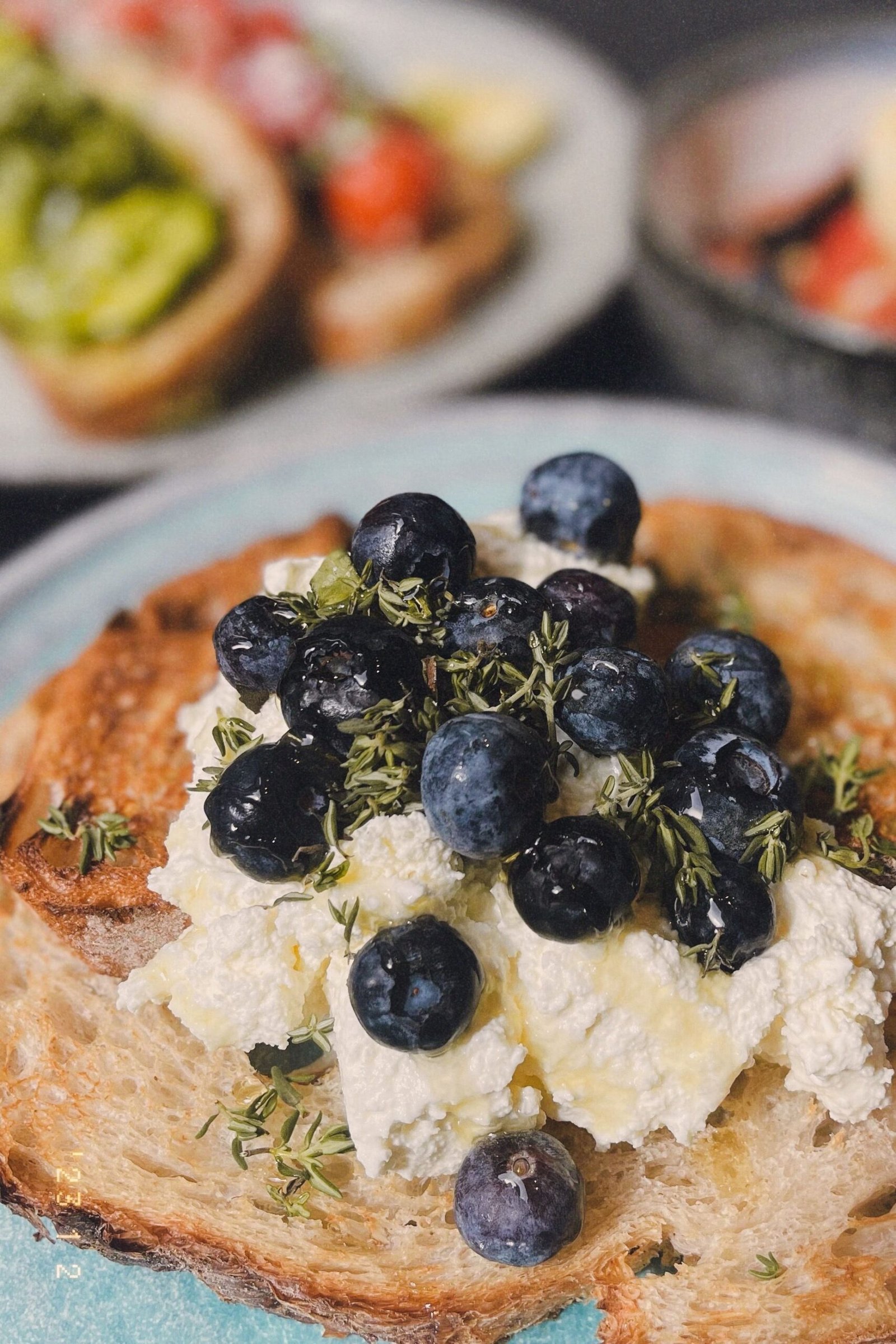
Appetizers: Use it as a topping for bruschetta with marinated tomatoes and fresh basil, or include it on a charcuterie board .
Eggs and Grains: Crumble or grate it into scrambled eggs, over a bowl of farro or lentils, or onto roasted chickpeas for a boost of flavor and protein .
Panini: Slice the firm cheese into thick coins and press it into a panini for a warm, savory bite that holds its shape without becoming a runny mess .
Conclusion
Ricotta salata is a testament to the ingenuity of Italian cheesemaking, transforming a perishable byproduct into a durable, flavorful, and versatile culinary treasure. With its characteristic saltiness, crumbly texture, and mild tang, it is more than just a cheese; it is an essential ingredient that serves to elevate and punctuate a dish, adding a final savory flourish.
Whether you are grating it over a bowl of fresh pasta, crumbling it onto a bright summer salad, or featuring it on a beautiful charcuterie board, this “salted ricotta” delivers a satisfying and delicious experience. It is a cheese that encourages experimentation and rewards the cook with a depth of flavor that is both comforting and sophisticated.
Frequently Asked Questions (FAQ)
1. What does ricotta salata taste like?
Ricotta salata has a clean, savory flavor that is pleasantly salty and mildly tangy, with subtle milky and nutty notes . Its saltiness is the defining characteristic, making it a fantastic “finishing” cheese.
2. Can I substitute feta cheese for ricotta salata?
Yes, you can substitute feta for ricotta salata in a pinch, but they are not identical. Feta is more tangy and acidic, with a creamier, grainier texture. While both are salty, ricotta salata is firmer, drier, and its flavor is less sharp . If using feta, be mindful that it may make a dish more moist and tangy than intended.
3. Is ricotta salata a healthy cheese?
In moderation, yes. A one-ounce serving typically contains about 70 calories, 5 grams of protein, and 6 grams of fat . It is a good source of protein and calcium, but like most cheeses, it is high in sodium, so it should be enjoyed as part of a balanced diet .
4. How do you use ricotta salata in cooking?
Ricotta salata is best used as a finishing cheese. You can crumble it over salads and roasted vegetables, grate it over pasta and soups, or slice it for sandwiches and cheese boards. It adds a salty, savory crunch without melting .
5. How is ricotta salata different from fresh ricotta?
This is the most important distinction. Fresh ricotta is soft, creamy, and mild, used for its creamy texture in dishes like lasagna or desserts. Ricotta salata is a salted, pressed, and aged version of ricotta. It is firm, crumbly, and salty, used for its textural contrast and savory flavor .


 Lifestyle3 months ago
Camehoresbay: Unveiling the Hidden Gem of Nature, Innovation, and Coastal Splendor
- Tech3 months ago
QLCredit: Unlocking the Power of Digital Lending and Financial Education
- Sports3 months ago
Cricfooty: Your Ultimate Destination for Cricket and Football News, Scores, and Updates
- news3 months ago
Meredith Schwarz: A Comprehensive Look at the Private Life and Professional Journey Behind the Headlines
- Lifestyle2 months ago
Beit Bart 2026: Complete Guide to Meaning, History, and Jerusalem’s Most Trusted Community
- Food3 months ago
Foenegriek vs. Fenegriek: The Ancient Spice with a Name Confusion
- Digital2 months ago
The Rise of SternTao: A Masterclass in High-Stakes Finance and Relentless Ambition from HBO’s “Industry”
- Tech3 months ago
CHJA: A Comprehensive Guide to Its Meaning, Applications, and Significance