Blog
0115 990 1341: A Complete Guide to Understanding Calls, Searches, and Information About This Phone Number


Receiving an unexpected call from 0115 990 1341 may lead someone to search online for answers before deciding whether to return the call or ignore future contact. Searching an unfamiliar number has become a common part of modern communication because people receive calls from businesses, customer service teams, delivery services, automated systems, private individuals, and occasionally suspicious or unwanted callers. However, the appearance of a telephone number by itself does not necessarily reveal the identity, intentions, or legitimacy of the person or organization behind a call. For this reason, anyone researching 0115 990 1341 should approach the information carefully, use reliable sources, and avoid drawing conclusions solely from an online search result or a single comment.
This guide explores what to consider when searching for information about 0115 990 1341, why people look up unfamiliar numbers, how to investigate a caller safely, and what actions may be appropriate after receiving an unexpected phone call. Whether the call was answered, missed, repeated, or accompanied by a voicemail or text message, understanding the basic principles of phone number research can help users make better decisions. The purpose of this article is not to make an unsupported claim about the owner of 0115 990 1341, but to provide a practical framework for anyone trying to understand an unfamiliar number and assess a communication safely.
Why Are People Searching for 0115 990 1341?
There are many reasons why a person may search for 0115 990 1341 online. The most obvious reason is a missed call from a number that is not recognized. A person may see the number on a mobile phone, landline display, voicemail notification, or call history and want to know who attempted to make contact. In other situations, the caller may have spoken briefly, left an incomplete message, or requested that the recipient call back. This naturally creates curiosity and may encourage the recipient to search the number before taking further action.
Another reason for searching 0115 990 1341 is to determine whether other people have received calls from the same number. Online discussions, caller directories, business listings, and public reports can sometimes provide useful context. However, information found through these sources should be treated carefully. A comment from another user may describe a genuine experience, but it does not automatically prove that every call associated with a displayed number has the same source or purpose. Telephone numbers can also be reassigned, used by different departments, or displayed in ways that may not always reflect the true origin of a call.
Some people may also search 0115 990 1341 after receiving repeated calls. Repeated contact can be frustrating, particularly when no clear voicemail or explanation is provided. Before assuming the calls are unwanted or suspicious, it can be useful to document the dates and times of contact, review any messages received, and compare the information with official contact details if the caller claims to represent a company or organization. This approach is generally more reliable than making a decision based only on the number itself.
Understanding the 0115 Telephone Number Format
When researching 0115 990 1341, understanding the structure of the number can provide basic context. Telephone numbers often contain geographic or service-related prefixes that may indicate how a number is formatted within a national numbering system. However, a prefix alone should not be treated as definitive proof of the caller’s physical location or identity. Modern telecommunications systems can route calls in different ways, and businesses may use numbers that do not correspond directly to the current location of the person making the call.
The important point for anyone researching 0115 990 1341 is that number formatting is only one part of the investigation. A telephone prefix may offer general context, but it cannot independently confirm whether a call is legitimate, whether a specific business owns the number, or whether the displayed caller ID accurately represents the source of the communication. A responsible search should therefore combine number-format information with other evidence, such as official websites, verified customer support pages, voicemail details, and direct confirmation through independently obtained contact information.
How to Research 0115 990 1341 Safely
The first step after receiving a call from 0115 990 1341 is usually to review the circumstances of the call. Consider whether you were expecting a phone call from a business, service provider, delivery company, employer, financial institution, government office, or another organization. If the timing matches an existing appointment, order, application, or customer support request, this context may help explain the call. On the other hand, if the communication was completely unexpected, more caution may be appropriate.
A useful next step is to search 0115 990 1341 exactly as it appeared on the caller display. Try searching the number in quotation marks as well as without quotation marks to see whether relevant public information is available. Look for consistent information across multiple sources rather than relying on one isolated result. If a website claims that the number belongs to a particular organization, independently verify the organization by visiting its official website and comparing the published contact details. Do not rely solely on a search result that appears convincing without checking the original source.
If the caller claimed to represent a company, bank, government body, or service provider, avoid calling back using only the number supplied during the conversation if you have concerns. Instead, locate the organization’s official contact information independently and use that published channel to verify whether the call was genuine. This simple precaution can help protect against situations in which a caller provides misleading contact details or attempts to pressure the recipient into acting immediately.
What to Do If You Missed a Call From 0115 990 1341
A missed call from 0115 990 1341 does not always require an immediate response. Before returning the call, check whether a voicemail was left. A legitimate caller with an important reason for contacting someone may provide a name, organization, reference number, callback instructions, or a clear explanation of the reason for the call. Even then, it is wise to verify unexpected requests independently if sensitive information or payments are involved.
If there is no voicemail, consider whether there is another reason the call might have occurred. A person waiting for a delivery, appointment confirmation, job interview, service call, or customer support response may have more reason to investigate the number. If there is no obvious connection and the call occurred only once, some people may choose simply to wait and see whether the caller leaves a message or attempts contact again.
Repeated calls from 0115 990 1341 may justify further investigation. Keep a record of the dates, times, and frequency of the calls, particularly if the communication becomes disruptive. If the caller eventually identifies an organization, verify that information through an official channel. If the calls appear unwanted, your phone’s blocking and spam-reporting features may also be useful, depending on the circumstances and your device.
Can You Identify the Owner of 0115 990 1341 Through an Online Search?
In some cases, a public search for 0115 990 1341 may produce information connected with a business, organization, directory listing, or user-generated caller report. However, it is important to understand the limitations of online phone number searches. Not every number is publicly listed, and information available online may be outdated, incomplete, or inaccurate. A number may also have changed ownership or usage over time.
User-generated reports can provide clues about how other people experienced calls from 0115 990 1341, but these reports should not automatically be treated as verified facts. One person may describe a call as unwanted because they did not recognize the caller, while another person may have had a legitimate interaction with the same number. Context matters, and individual reports may not provide the full picture.
For this reason, the strongest approach is to look for verifiable evidence. If a company is believed to be connected with 0115 990 1341, check the company’s official website or verified customer service information. If a caller claims to represent an institution, contact that institution through independently sourced details. This method reduces the risk of falsely identifying a caller based on incomplete information.
Important Safety Tips When Receiving Calls From Unknown Numbers
An unfamiliar call from 0115 990 1341 should not automatically be considered dangerous, but caution is sensible whenever a caller requests sensitive information. Personal details such as passwords, security codes, banking credentials, account recovery information, or one-time verification codes should not be provided simply because a caller claims to represent a trusted organization. Legitimate organizations generally have established procedures for verifying customers and communicating securely.
Be particularly cautious when a caller creates a sense of urgency. Requests involving immediate payments, threats of account closure, warnings about legal consequences, or demands for confidential information should be independently verified. Pressure can prevent people from taking the time to think critically about a request. Ending the call and contacting the organization through an official channel can be a safer alternative when something does not seem right.
It is also useful to remember that the number displayed on a phone may not always provide complete information about the true source of a call. Therefore, even if a number appears familiar, callers should still be evaluated based on what they ask for and whether their identity can be independently confirmed. This principle applies to 0115 990 1341 and to any other unfamiliar or unexpected number.
Should You Call 0115 990 1341 Back?
Whether to return a call from 0115 990 1341 depends on the circumstances. If you were expecting a call and the number can be verified through a reliable source, returning the call may be reasonable. If a voicemail provides clear and verifiable information, you can use that context to decide what to do next. However, if the caller requested sensitive information, money, or urgent action, independent verification should come before any response.
If you cannot determine why 0115 990 1341 contacted you, there is usually no need to act impulsively. Search for reliable information, review the communication, and wait for additional context if necessary. A legitimate caller with an important reason for contacting you may call again or provide a clearer message. Taking a few minutes to verify the situation can be more valuable than immediately returning an unfamiliar call.
How to Protect Yourself From Unwanted or Suspicious Calls
The experience of receiving a call from 0115 990 1341 can serve as a reminder to maintain good phone security habits. Keep your phone’s operating system updated, use available spam protection features where appropriate, and review privacy settings that control how calls are handled. Many devices allow users to block specific numbers or silence calls from unknown callers, although these settings should be used according to individual needs.
Avoid publishing unnecessary personal information publicly, particularly information that could make it easier for a caller to impersonate a service provider or answer security questions. Be careful when sharing verification codes, account numbers, or login details over the phone. If an unexpected caller asks for information that could affect your financial accounts or online security, stop the conversation and verify the request independently.
Keeping records can also be helpful when calls become persistent. Note the number, the date, the time, and what was said during each call. This information can help establish a pattern and may be useful if you decide to report unwanted communications to the relevant service provider or authority. Accurate records are more useful than relying on memory when trying to understand repeated contact.
Common Reasons an Unknown Number May Call You
There are many ordinary reasons why someone may receive a call from a number such as 0115 990 1341. Businesses may call to confirm appointments, provide customer service updates, discuss orders, or respond to inquiries. Delivery services and contractors may also contact customers using numbers that are not immediately recognizable. Automated systems can place calls for reminders, surveys, or account notifications.
Personal calls may also come from numbers that are not stored in a recipient’s contacts. A family member, colleague, school, healthcare provider, or local service may use a different number than the one a person normally expects. Therefore, unfamiliarity alone does not indicate that a call is suspicious.
At the same time, some unexpected calls may be unwanted, misleading, or fraudulent. The safest approach is neither to trust nor automatically accuse the caller. Instead, evaluate the evidence, consider what was requested, and verify the caller independently when the communication involves important decisions or sensitive information.
Why Accurate Information Matters When Searching 0115 990 1341
People searching 0115 990 1341 often want a quick answer, but telephone number identification can be more complicated than it initially appears. Incorrectly identifying a number can cause unnecessary concern for individuals or businesses. Online directories may contain outdated records, and public comments may reflect personal experiences rather than independently verified facts.
For anyone creating or reading information about 0115 990 1341, accuracy should therefore be the priority. Claims about the owner, purpose, location, or reputation of a telephone number should be supported by reliable evidence. If verified information is unavailable, it is better to explain how the number can be investigated than to invent an identity or repeat unconfirmed allegations.
A high-quality resource should help readers understand the difference between a search result and verified information. This approach is useful not only for 0115 990 1341, but for virtually any number that appears unexpectedly on a phone.
Conclusion
Searching for 0115 990 1341 is a reasonable first step for anyone who has received an unfamiliar call and wants to understand the situation before responding. However, the telephone number alone may not provide enough information to establish who called or why. The most reliable approach is to examine the context of the call, review any voicemail or message, search for consistent public information, and independently verify any organization the caller claims to represent.
If 0115 990 1341 contacts you, there is no need to make an immediate decision based solely on the number appearing on your screen. Take time to investigate, avoid sharing sensitive information during an unexpected call, and use official contact channels when verification is necessary. By approaching unknown phone numbers with curiosity, caution, and a focus on reliable evidence, users can make more informed decisions and reduce the risk of responding to misleading or unwanted communications.
Frequently Asked Questions About 0115 990 1341
Who called me from 0115 990 1341?
The number alone may not be enough to reliably identify the caller. Check whether a voicemail was left, search for consistent public information, and independently verify any organization that claims to have contacted you.
Is 0115 990 1341 a legitimate phone number?
A displayed number cannot by itself confirm whether a particular call was legitimate. The safest approach is to assess the content of the communication and verify any claimed organization through independently obtained official contact information.
Should I call 0115 990 1341 back?
You may consider returning the call if you can verify the reason for the contact or were expecting a call. If the communication was unexpected and involved sensitive information, payments, or urgent demands, verify the situation before calling back.
Why did 0115 990 1341 call me repeatedly?
Repeated calls can have many possible explanations, including customer service follow-ups, automated systems, appointment reminders, or unwanted communications. Recording the times and circumstances of the calls can help you identify a pattern and decide what action to take.
Can online comments identify 0115 990 1341?
Online comments may provide useful clues, but they should not automatically be considered verified facts. Look for reliable and consistent information from trustworthy sources before reaching a conclusion.
What should I do if the caller asks for personal information?
Do not provide passwords, verification codes, banking credentials, or other sensitive information simply because the caller claims to represent an organization. End the call if necessary and contact the organization using independently verified official details.
Can I block 0115 990 1341?
Most modern smartphones provide options for blocking specific numbers. If calls are unwanted or disruptive, you can generally use your device’s blocking or spam-reporting features according to your circumstances.
Why should I search an unfamiliar phone number before responding?
Searching an unfamiliar number can provide additional context and may help you determine whether the call relates to an expected service, business, or communication. The search should be combined with independent verification rather than treated as definitive proof of the caller’s identity.


The 2026 Audi RS7 continues to occupy a distinctive place in the high-performance luxury-car market by combining the dramatic styling of a four-door Sportback with the power and technology expected from Audi Sport. Rather than choosing between a comfortable luxury vehicle and an aggressive performance machine, the RS7 is designed to bring those two personalities together in one car. For 2026, Audi offers the RS7 performance with a twin-turbocharged 4.0-liter V8 producing 621 horsepower and 627 lb-ft of torque, paired with an eight-speed Tiptronic transmission and quattro all-wheel drive. Audi quotes a 0–60 mph time of 3.3 seconds, while its U.S. website lists a starting MSRP of $130,700.
The appeal of the 2026 Audi RS7 goes beyond acceleration numbers. Its fastback body provides a distinctive appearance and useful cargo space, while the cabin combines premium materials, digital displays, performance-oriented controls and available luxury technology. Audi also equips the RS7 with RS-specific suspension tuning, a sport rear differential and a sophisticated all-wheel-drive system, giving the car the hardware necessary to make its substantial engine output usable in a variety of driving situations.
2026 Audi RS7 Performance at a Glance
The heart of the 2026 RS7 is its 4.0-liter twin-turbocharged V8. Audi rates the engine at 621 horsepower and 627 lb-ft of torque, figures that place the RS7 firmly in the high-performance category. The engine works with an eight-speed automatic transmission and quattro all-wheel drive. Audi’s official specification also identifies the car as having two turbochargers, while its performance equipment includes adaptive air suspension and a sport rear differential.
For drivers who care about acceleration, Audi claims the 2026 Audi RS7 can reach 60 mph in 3.3 seconds. Independent testing can produce different results because testing conditions, tires, launch techniques and measurement methods vary; Car and Driver, for example, recorded 2.9 seconds to 60 mph with the closely related RS7 Performance configuration it tested. This difference is an important reminder that manufacturer acceleration figures and independent test results should not automatically be treated as identical measurements.
| Specification | 2026 Audi RS7 |
|---|---|
| Engine | 4.0-liter twin-turbo V8 |
| Horsepower | 621 hp |
| Torque | 627 lb-ft |
| Transmission | 8-speed Tiptronic automatic |
| Drivetrain | quattro all-wheel drive |
| Audi 0–60 mph claim | 3.3 seconds |
| Starting MSRP | $130,700 |
| Standard wheels | 21-inch |
| Optional wheels | 22-inch |
| Seating | 5 |
| Body style | Four-door Sportback |
Audi’s official 2026 information confirms the 621-hp output, 627 lb-ft of torque, eight-speed Tiptronic transmission, quattro all-wheel drive, 21-inch standard wheels and $130,700 starting MSRP.
2026 Audi RS7 Engine and Power
The 2026 Audi RS7 engine is one of its defining characteristics. The 4.0-liter V8 uses twin turbochargers positioned within the V of the engine, helping produce strong power while maintaining the sophisticated character expected from an Audi RS model. With 621 horsepower available, the RS7 has considerably more than enough performance for everyday driving, yet its powertrain is engineered to make that performance accessible rather than requiring constant high-rev driving.
The 627 lb-ft of torque is equally important because torque contributes heavily to the sensation of effortless acceleration. When the accelerator is pressed, the RS7 can build speed extremely quickly, while the eight-speed Tiptronic transmission manages the engine’s output. Audi also uses a 48-volt electrical system in the RS7 powertrain, according to independent specifications from Car and Driver.
The result is a car that can function as a refined daily driver while retaining the character of a serious performance vehicle. That combination is central to the RS7 concept: it does not need to look or behave like a stripped-down track car to deliver impressive straight-line speed.
2026 Audi RS7 0–60 MPH and Acceleration
Acceleration is one of the biggest reasons people search for 2026 Audi RS7 0-60 information. Audi officially quotes a 0–60 mph time of 3.3 seconds for the RS7 performance. That is already an extremely quick figure for a luxury four-door vehicle with five-passenger capability.
Independent testing can be even quicker. Car and Driver recorded a 2.9-second 0–60 mph run with its RS7 test car, illustrating how launch conditions and testing procedures can affect measured performance. The important takeaway is that the RS7 is engineered around rapid acceleration, with its V8, automatic transmission and all-wheel-drive system working together to deliver strong traction.
Quattro All-Wheel Drive
The 2026 Audi RS7 quattro system is an important part of the vehicle’s performance personality. Rather than relying only on engine power, the RS7 uses all-wheel drive to help transfer that power to the road. This is especially useful when accelerating aggressively because traction becomes increasingly important as engine output rises.
The RS7 also incorporates a sport rear differential designed to actively distribute torque between the rear wheels during cornering. Audi says this system helps provide more precise handling when accelerating through a corner. This complements the car’s other chassis technologies and gives the RS7 a more performance-focused character than a conventional luxury sedan.
2026 Audi RS7 Suspension and Handling
A powerful engine is only part of what makes a performance car enjoyable. The 2026 Audi RS7 performance also uses RS-tuned adaptive air suspension. Audi describes the suspension as having controlled damping that has been specifically tuned for the RS7, balancing performance characteristics with the comfort expected from a premium vehicle.
The adaptive nature of the suspension allows the RS7 to change its behavior depending on the selected driving mode and conditions. This makes the car more versatile than a vehicle built exclusively around stiff track-focused suspension. Independent testing has also noted the RS7’s precise handling and available carbon-ceramic braking capability.
For everyday drivers, this flexibility is one of the car’s strongest characteristics. The same vehicle can be used for commuting, highway travel and spirited driving without requiring the owner to sacrifice the premium character expected from a luxury automobile.
2026 Audi RS7 Exterior Design
The 2026 Audi RS7 exterior is immediately recognizable as something more aggressive than a conventional luxury sedan. Its low roofline, wide stance, large wheels, performance-oriented front styling and RS-specific details give the vehicle a distinctly athletic appearance. The Sportback body design is particularly important because it combines the visual drama of a coupe-like roofline with the practicality of a rear hatch.
Audi offers the 2026 RS7 with standard 21-inch wheels and optional 22-inch wheels. The available 22-inch wheels can be paired with 285/30 R22 summer tires, depending on configuration. Audi also offers exterior packages that can add matte carbon elements, black optic details and other styling changes.
The result is an exterior that emphasizes performance without abandoning the clean, sophisticated design language associated with Audi. Buyers can also personalize the car through different wheel designs and appearance packages.
2026 Audi RS7 Interior
Inside, the 2026 Audi RS7 interior focuses on combining luxury, technology and sportiness. Performance-oriented seats and RS-specific details help distinguish the cabin from less powerful Audi models, while the overall design remains appropriate for long-distance travel and everyday use.
The Audi virtual cockpit plus digital instrument cluster uses a 12.3-inch HD display and includes RS-specific selectable information and graphics. Audi also provides wireless Apple CarPlay and Android Auto, giving occupants convenient access to compatible smartphone functions.
Available equipment can make the cabin even more luxurious. The Executive package, for example, includes features such as a head-up display, remote park assist plus, heated rear seats, power soft-closing doors and extended leather surfaces.
Technology and Infotainment
Technology is a major part of the 2026 Audi RS7 features list. The cabin uses Audi’s digital interface system, with a 10.1-inch upper touchscreen and an 8.6-inch lower display according to published specifications. Wireless smartphone integration, navigation, Bluetooth connectivity and available premium audio equipment are among the technology features associated with the model.
Audi also offers a Bang & Olufsen Advanced sound system with 3D sound. According to Audi, this available system uses 19 speakers, 1,820 watts and an advanced sound processor. For buyers who expect their performance vehicle to double as a luxury touring car, this type of technology helps make the RS7 more comfortable and enjoyable during longer journeys.
Safety and Driver Assistance
The 2026 Audi RS7 also offers a selection of driver-assistance technologies. Audi lists available features such as adaptive cruise assist with lane guidance, top-view camera technology, remote park assist plus and night vision assistance.
Night vision is particularly distinctive because its thermal imaging camera can detect pedestrians or large animals in dark conditions and display relevant information through the Audi virtual cockpit. The available top-view camera system provides multiple exterior perspectives to assist with maneuvering and parking.
As with any driver-assistance system, these technologies are designed to assist the driver rather than replace attentive driving. Their availability can also depend on the selected package and vehicle configuration.
2026 Audi RS7 Price
The 2026 Audi RS7 price starts at $130,700 MSRP according to Audi USA. Pricing can rise significantly as options and packages are added. Independent automotive specifications list a higher figure of $135,395 for the 2026 RS7, demonstrating why buyers should check the exact configuration and market when comparing advertised prices.
Optional wheels, carbon-fiber-related packages, premium technology, upgraded audio equipment and driver-assistance packages can all affect the final purchase price. Taxes, registration, dealer charges and destination fees may also change the amount a buyer ultimately pays.
Fuel Economy and Ownership Considerations
A vehicle with a 621-hp twin-turbocharged V8 is not designed primarily around fuel economy. Car and Driver reports EPA figures of approximately 14 mpg city and 21 mpg highway for the 2026 RS7, with a 16 mpg combined figure on its specifications page. Actual fuel consumption will vary according to traffic, driving style, weather, tire selection and other conditions.
Maintenance and operating costs are also important considerations when purchasing a high-performance luxury vehicle. For 2026, Car and Driver reports that Audi’s Signature Care program provides complimentary scheduled maintenance for three years or 36,000 miles, alongside a four-year/50,000-mile limited and powertrain warranty. Buyers should verify the exact terms applicable to their market because warranty and maintenance programs can differ by country.
2026 Audi RS7 Cargo and Everyday Practicality
One of the unusual strengths of the Audi RS7 is that it provides serious performance without giving up the practicality of a hatchback-style rear opening. Car and Driver lists approximately 25 cubic feet of cargo capacity behind the rear seats for the tested configuration.
This makes the RS7 more versatile than its dramatic exterior might suggest. Owners can use it for daily commuting, luggage-heavy road trips and ordinary errands while still having a car capable of extremely rapid acceleration. The five-seat layout also makes the RS7 more practical for families than many two-seat or four-seat performance cars.
2026 Audi RS7 Wheels and Brakes
Wheel and tire selection can significantly influence the character of the RS7. Audi lists 21-inch wheels as standard and offers 22-inch designs as an option. The available 22-inch setup uses wide 285/30 R22 summer tires, emphasizing grip and aggressive road presence.
High-performance braking hardware is equally important. Audi offers ceramic braking technology, while independent testing by Car and Driver found strong stopping performance from its test vehicle equipped with carbon-ceramic brakes. Buyers who intend to drive their RS7 aggressively should pay close attention to the wheel, tire and brake configuration rather than focusing only on horsepower.
Why the 2026 Audi RS7 Is Different
The defining feature of the 2026 Audi RS7 is the combination of attributes rather than one individual specification. Its 621-hp V8 gives it supercar-like acceleration potential, while its five-seat cabin, Sportback cargo area, luxury equipment and advanced technology make it considerably more practical for everyday use.
That combination creates a very particular type of performance vehicle. It is not simply a luxury sedan with a large engine, and it is not a dedicated track machine. Instead, the RS7 is designed to provide high performance while retaining the refinement and usability associated with a premium Audi.
2026 Audi RS7 vs. a Traditional Sports Car
A traditional sports car generally prioritizes low weight, compact dimensions and driver involvement above everyday practicality. The RS7 takes a different approach. It uses a large V8, sophisticated all-wheel drive, advanced suspension and a substantial luxury cabin to create performance in a much larger and more versatile package.
This means the RS7 can appeal to someone who wants dramatic acceleration but still needs space for passengers and luggage. Its Sportback design gives it an especially useful combination of sleek proportions and cargo flexibility.
Who Is the 2026 Audi RS7 For?
The 2026 Audi RS7 is aimed at buyers who want substantial performance without giving up luxury, technology and practicality. It can make sense for someone who enjoys fast cars but also wants a comfortable interior, rear seats, a useful cargo area and sophisticated driver-assistance technology.
It is also particularly suited to drivers who appreciate understated performance. Although the RS7 has aggressive RS styling, it remains more discreet than many exotic performance cars. Its character becomes much more obvious when the V8 is called upon to deliver its full potential.
Final Thoughts on the 2026 Audi RS7
The 2026 Audi RS7 represents a distinctive interpretation of the high-performance luxury car. Its 4.0-liter twin-turbocharged V8 produces 621 horsepower and 627 lb-ft of torque, while quattro all-wheel drive, an eight-speed Tiptronic transmission, RS-tuned adaptive air suspension and a sport rear differential help turn that power into usable performance. Audi’s official 0–60 mph figure is 3.3 seconds, and its U.S. starting MSRP is $130,700.
What makes the RS7 particularly interesting is its combination of speed and practicality. The fastback body provides useful cargo capacity, the cabin offers extensive technology and luxury equipment, and available features such as a head-up display, premium Bang & Olufsen audio, night vision and advanced parking assistance can make the vehicle feel as sophisticated as it is fast.
For anyone researching the 2026 Audi RS7, the most important factors to consider are not simply horsepower and acceleration. Buyers should also examine the final price after options, wheel and tire configuration, fuel consumption, maintenance requirements, available packages and the features that matter most for their intended use. With its powerful V8 and luxury-focused interior, the RS7 remains a particularly distinctive performance-oriented Audi for the 2026 model year.
Frequently Asked Questions About the 2026 Audi RS7
What engine does the 2026 Audi RS7 have?
The 2026 Audi RS7 performance uses a 4.0-liter twin-turbocharged V8. Audi rates it at 621 horsepower and 627 lb-ft of torque.
How much horsepower does the 2026 Audi RS7 have?
The 2026 Audi RS7 has 621 horsepower. It also produces 627 lb-ft of torque.
How fast is the 2026 Audi RS7 from 0 to 60 mph?
Audi quotes a 0–60 mph time of 3.3 seconds for the 2026 RS7 performance. Independent testing can produce different results; Car and Driver recorded 2.9 seconds with its RS7 test vehicle.
How much does the 2026 Audi RS7 cost?
Audi USA lists the 2026 Audi RS7 performance at a starting MSRP of $130,700. The final price can increase with optional packages, wheels and other equipment.
Does the 2026 Audi RS7 have quattro all-wheel drive?
Yes. The 2026 Audi RS7 comes with quattro all-wheel drive, paired with its eight-speed Tiptronic transmission.
Is the 2026 Audi RS7 a sedan?
The RS7 is commonly described as a performance sedan, but its distinctive body is a four-door Sportback/hatchback design. This gives it a sleek roofline while providing useful rear cargo access.
How many people can the Audi RS7 seat?
The 2026 RS7 has seating for five people, according to published specifications.
What size wheels does the 2026 Audi RS7 use?
Audi lists 21-inch wheels as standard, with optional 22-inch wheels available. The available 22-inch configuration can use 285/30 R22 summer tires.
Does the 2026 Audi RS7 have adaptive suspension?
Yes. The RS7 performance features RS-tuned adaptive air suspension with controlled damping specifically tuned for the model.
What technology is available in the 2026 Audi RS7?
Available technology includes Audi virtual cockpit plus, wireless Apple CarPlay and Android Auto, a head-up display, top-view camera technology, remote park assist plus, adaptive cruise assist with lane guidance and an available Bang & Olufsen Advanced sound system.
Is the 2026 Audi RS7 practical for everyday driving?
The RS7 is designed to combine high performance with everyday usability. Its five-seat cabin and Sportback rear design provide considerably more practicality than many dedicated sports cars, while its luxury interior and available driver-assistance technology make it suitable for commuting and longer trips.
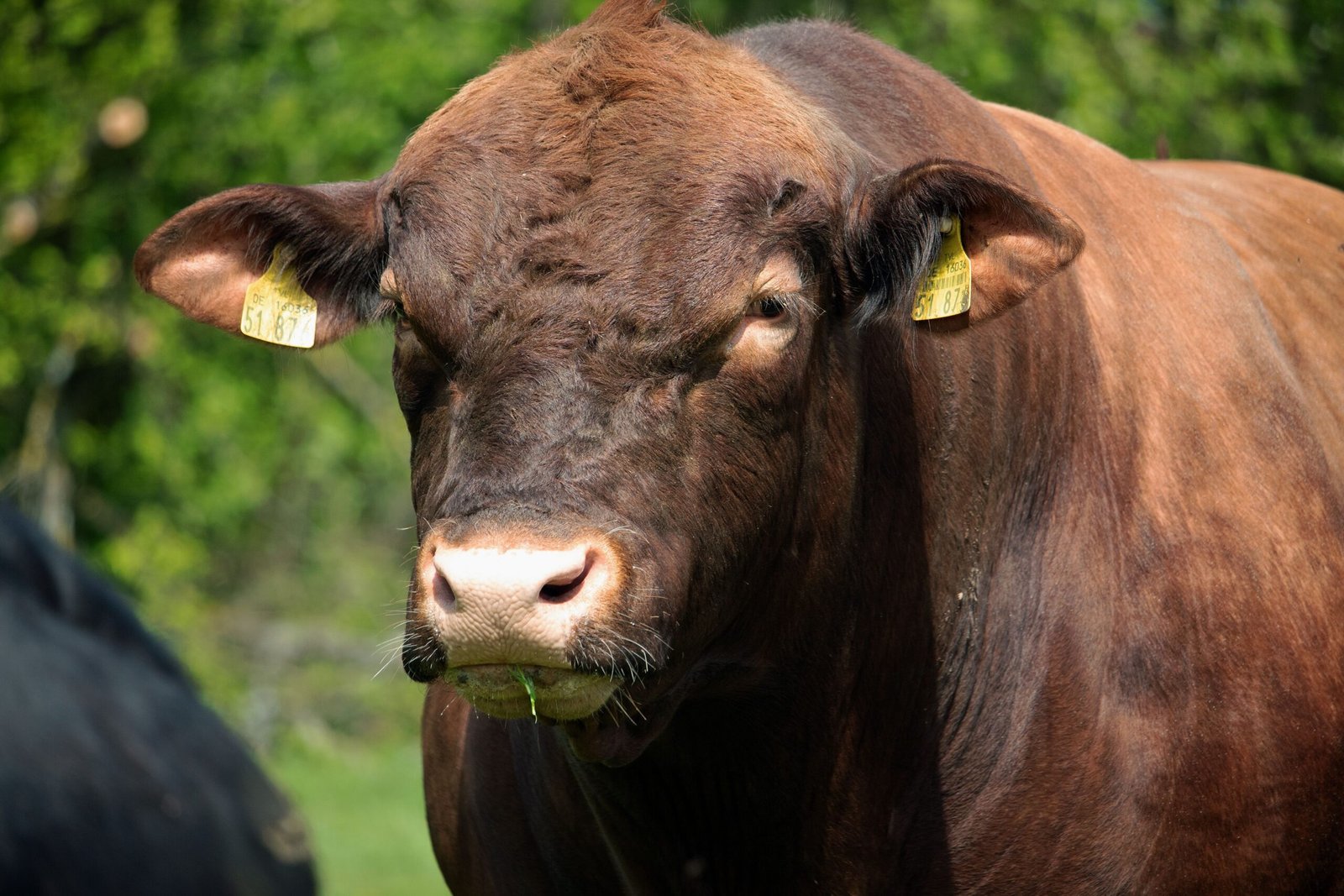
The Red Angus cow is a well-known beef cattle type recognized for its distinctive red coat, strong body, and valuable role in modern cattle farming. Farmers and livestock enthusiasts often consider Red Angus cattle because of their reputation for useful maternal characteristics, efficient beef production, and adaptability to different management systems. Originally developed from Angus cattle in Scotland, the breed has become established in many countries, where it is raised for breeding, commercial beef production, and the improvement of cattle herds. Although Red Angus cattle share their ancestry with Black Angus cattle, their red coloration makes them visually distinctive and attractive to many cattle breeders. Understanding the characteristics of a Red Angus cow, including her appearance, temperament, nutritional requirements, reproductive performance, and potential benefits, can help farmers make informed decisions when selecting animals for their operations.
Whether someone is considering purchasing a Red Angus cow for a small family farm or developing a larger commercial beef herd, learning about the breed’s strengths and management requirements is essential. A productive cattle operation depends on more than choosing an attractive breed; it also requires suitable pasture, balanced nutrition, reliable veterinary care, appropriate breeding decisions, and effective herd management. Red Angus cattle can perform well under suitable conditions, but their success depends on the quality of individual animals and the environment in which they are raised. This comprehensive guide explains what makes the Red Angus cow distinctive, how the breed is used in beef production, and what farmers should know before investing in these animals.
What Is a Red Angus Cow?
A Red Angus cow is a female bovine belonging to the Red Angus population of the Angus breed, a group of beef cattle developed from Scottish Angus ancestry. Angus cattle were historically associated with the northeastern Scottish counties of Aberdeen and Angus, where breeders developed animals valued for their useful beef-producing qualities. Red-coated Angus cattle existed within the broader Angus population, although the red and black color variations later became more distinctly organized in modern breeding programs. Today, Red Angus cattle are recognized as a separate color-based breeding population in many cattle registries, with their own breeding associations and selection programs. They are raised primarily for beef production, and females are often selected for their ability to produce healthy calves, maintain suitable body condition, and remain productive within a well-managed herd.
The term Red Angus cow specifically refers to a female animal, while Red Angus bull refers to a mature male used for breeding. A young female that has not yet produced her first calf is generally called a heifer, and a young Red Angus animal may be referred to as a calf. Understanding these terms is useful when reading cattle advertisements, evaluating breeding stock, or discussing livestock management with farmers. Red Angus cattle are not simply any red-colored beef cattle; their breed identity is established through ancestry, breeding records, and applicable registration requirements. For buyers, checking an animal’s identification, pedigree, health history, and breeding information is more reliable than judging its breed solely by its coat color.
Physical Characteristics of Red Angus Cattle
Red coat and distinctive appearance
One of the most recognizable characteristics of a Red Angus cow is her solid red coat, which can range from a lighter reddish-brown shade to a deeper, darker red. The coat is generally uniform, although individual animals may vary in color intensity and appearance. Red Angus cattle are naturally polled, meaning they are genetically hornless, and this characteristic is an important feature of the breed. Their head is typically neat and relatively refined, while the body is broad and muscular, reflecting their development as beef cattle. Many animals have a deep body, a reasonably wide back, and a well-developed hindquarter, features that contribute to their usefulness in beef production. However, individual animals differ considerably, and breeders evaluate more than appearance when deciding which cattle to retain for breeding.
Body size and weight
Red Angus cows are generally medium-sized beef cattle, although mature weight varies according to genetics, nutrition, age, and management. A mature cow may commonly weigh around 1,200 to 1,500 pounds, or approximately 545 to 680 kilograms, but this is a broad illustrative range rather than a breed-wide standard. Some animals may be smaller or larger depending on their breeding lines and production environment. Red Angus bulls are typically heavier than cows, while calves and heifers have different weight expectations according to age and development. For farmers, the ideal body size depends on the available feed resources, pasture conditions, breeding goals, and the size of calves the cow is expected to deliver. A larger cow is not automatically more profitable, particularly when maintaining her requires substantially more feed.
Temperament and behavior
Red Angus cattle are often described as having a manageable temperament, although behavior varies between individual animals and herds. Calm cattle can make routine activities such as feeding, weighing, health checks, and moving between pastures easier and safer. Good temperament is particularly valuable in a beef operation because animals that are accustomed to calm, consistent handling may be easier to manage during stressful situations. Nevertheless, even a normally quiet cow can become protective when she has a young calf, and bulls may be dangerous regardless of their apparent friendliness. Farmers should use appropriate cattle-handling facilities, maintain safe distances when necessary, and avoid treating any large animal as completely predictable. Selecting breeding animals for calm behavior, sound structure, and good maternal performance can improve the practical manageability of a herd over time.
History and Development of the Red Angus Breed
The history of Red Angus cattle is closely connected to the development of Angus cattle in Scotland. Over generations, Angus breeders selected animals for desirable beef characteristics, including body structure, productive performance, and suitability for farming. Red-coated animals occurred within the wider Angus population, but coat color became an important point of distinction as organized breeding programs developed. In North America, Red Angus cattle gained recognition through dedicated breeding and registration efforts, and the population gradually became established as a distinct red-coated Angus breeding group. The development of organized breed associations helped establish standards for identifying animals, maintaining pedigrees, and encouraging consistent breeding practices.
The modern Red Angus breed reflects decades of selection for a combination of physical traits and practical production characteristics. Breeders have worked to improve qualities such as growth, maternal ability, fertility, carcass performance, and adaptability. Today, Red Angus cattle are raised in a variety of beef production systems, from pasture-based cow-calf operations to herds that supply animals for finishing programs. Their popularity is connected not only to their appearance but also to the availability of breeding records, performance information, and established markets in regions where the breed is well known. As with other cattle breeds, continued improvement depends on responsible selection and careful management rather than assuming that every animal possesses all the characteristics associated with the breed.
Why Red Angus Cows Are Popular Among Farmers
Red Angus cows are valued by many beef producers because they can contribute useful maternal characteristics to a commercial herd. A well-selected cow should be able to become pregnant under an appropriate breeding program, maintain adequate body condition, give birth to a healthy calf, and provide sufficient milk while raising that calf. These qualities are central to a productive cow-calf operation, where the number of healthy calves successfully raised each year has a major influence on farm performance. Red Angus breeding programs commonly emphasize maternal traits alongside growth and carcass characteristics, allowing farmers to select animals according to the requirements of their particular operation. However, a cow’s individual performance, genetic background, nutrition, and reproductive history are more important than breed name alone when evaluating her suitability for a farm.
Another reason farmers consider Red Angus cattle is their potential usefulness in crossbreeding programs. When Red Angus animals are crossed with other suitable beef cattle, the resulting calves may benefit from hybrid vigor, also known as heterosis, depending on the breeds and traits involved. Crossbreeding can be used to combine maternal characteristics from one breed with growth, carcass, or environmental adaptation traits from another. Red Angus genetics may also be incorporated into commercial herds where coat color, polled status, or particular performance characteristics are important selection goals. The best breeding strategy depends on the producer’s market, climate, feed supply, replacement-heifer requirements, and long-term objectives. Farmers should evaluate the strengths and limitations of the actual cattle available rather than relying on broad claims about any breed.
Red Angus Cow Benefits for Beef Production
Maternal performance and calf production
One important reason for raising Red Angus cows is their potential to serve as productive mothers in a beef cattle herd. A good breeding female should have sound feet and legs, a functional udder, adequate body condition, and the ability to raise a healthy calf. Maternal performance is influenced by genetics, nutrition, breeding management, health, and environmental conditions, so farmers should evaluate cows using their actual production records whenever possible. Calving ease is another important consideration, particularly for producers using young heifers or breeding animals of different sizes. Selecting suitable bulls and monitoring cow condition can help reduce calving difficulties, although no breeding decision can eliminate every risk. A productive Red Angus cow is therefore one that combines suitable genetics with reliable management throughout the breeding and calving cycle.
Beef quality and carcass characteristics
Red Angus cattle are raised for beef production, and many breeding programs place emphasis on carcass quality, muscle development, and efficient growth. Angus cattle are widely associated with beef quality, but the actual eating quality of beef depends on numerous factors, including genetics, animal age, nutrition, handling, processing, and cooking. Red Angus animals may produce beef with desirable marbling when their genetics and management support that outcome, but marbling levels are not guaranteed simply because an animal is red or belongs to the Angus breed. Producers supplying particular beef markets should understand the grading standards and specifications used by their buyers. Selecting breeding stock with relevant performance and carcass information can help align a herd with its intended market while maintaining other essential traits such as fertility and structural soundness.
Adaptability to different farming systems
Red Angus cattle are raised in a variety of production environments, including pasture-based systems and operations that use supplemental feeding or feedlot finishing. Their suitability for a particular location depends on factors such as climate, forage availability, water supply, parasite pressure, and management quality. In areas with seasonal rainfall, farmers may need to plan grazing rotations and conserve hay or other feed for periods when pasture growth declines. In hotter climates, access to shade, clean water, and appropriate handling practices becomes especially important. Red Angus cattle should not be assumed to thrive equally well in every environment, and animals from breeding lines selected for similar conditions may be more suitable for a particular farm. Choosing cattle with appropriate adaptation and providing adequate resources are essential for maintaining productivity and animal welfare.
Red Angus Cow Feeding and Nutrition
Proper feeding is essential for maintaining the health, reproductive performance, and productivity of a Red Angus cow. Her nutritional requirements change according to age, body weight, pregnancy status, milk production, activity level, and the quality of available forage. A mature cow in early pregnancy may require a different ration from a cow that is nursing a rapidly growing calf or preparing for calving. Good pasture or suitable conserved forage can provide much of the daily nutrition in many beef production systems, but the quality and quantity of that forage must be monitored. When pasture is insufficient, farmers may need to provide hay, silage, or other appropriate supplements. The objective is to meet nutritional needs without allowing the cow to become excessively thin or unnecessarily overconditioned.
A balanced cattle diet must provide adequate energy, protein, fiber, minerals, and vitamins. Energy supports body maintenance, pregnancy, milk production, and growth, while protein is important for tissue development and many normal bodily functions. Minerals such as calcium, phosphorus, magnesium, and salt play important roles in animal health, although the correct amounts depend on the total diet and local conditions. Farmers should avoid assuming that one mineral mixture is appropriate for every herd, particularly where forage mineral levels vary substantially. A livestock nutritionist or veterinarian can help assess feed quality and identify supplementation needs. Clean drinking water should always be available, and feeding practices should be adjusted gradually to avoid unnecessary digestive disturbances. Sudden changes in diet, especially involving highly concentrated feeds, can create serious health problems.
Feeding management throughout the year
Seasonal feeding plans are particularly important in regions where pasture growth changes significantly throughout the year. During periods of abundant grass, grazing management can help maintain forage quality and reduce waste, while dry seasons or cold weather may require stored feed or additional supplementation. Pregnant cows need particular attention because inadequate nutrition before calving can affect body condition, calf health, and subsequent reproductive performance. After calving, milk production increases nutritional demand, making the availability of good-quality forage especially valuable. Farmers should monitor body condition regularly rather than relying only on visual impressions of weight. A practical feeding program also considers feed storage, spoilage prevention, access to troughs, and the cost of purchased supplements. Careful planning helps maintain a productive herd while making efficient use of available farm resources.
Breeding and Reproduction in Red Angus Cows
Breeding management is a major part of maintaining a successful Red Angus herd. A female should reach an appropriate level of physical development before being bred, and her readiness depends on age, weight, health, and overall condition rather than age alone. The breeding season should be planned around the farm’s calving schedule, available feed resources, labor, and marketing objectives. Producers may use natural service with a suitable bull or artificial insemination, depending on herd size, facilities, expertise, and breeding goals. In either system, selecting genetically suitable breeding animals is essential. Important considerations include fertility, calving ease, maternal performance, structural soundness, and genetic diversity. A bull’s appearance alone is not enough to establish his breeding value, and performance records can provide useful information for making better selection decisions.
Red Angus cows typically have a gestation period of approximately nine months, similar to other cattle, although the exact duration varies. During pregnancy, farmers should provide suitable nutrition, monitor body condition, and arrange appropriate health care. Calving facilities should be clean, safe, and suitable for observation without creating unnecessary stress. Most cows give birth without assistance, but producers need to recognize signs of difficulty and contact a veterinarian when intervention is necessary. After calving, the cow and calf should be monitored to confirm that the calf is breathing normally, receives colostrum, and can nurse effectively. The cow’s udder, appetite, behavior, and general condition should also be checked. Reliable breeding and calving records help identify productive females and make future herd-management decisions more effective.
Red Angus Cow Care and Health Management
A well-managed Red Angus cow needs regular observation, appropriate veterinary care, and a safe living environment. Daily checks allow farmers to identify changes in appetite, movement, behavior, body condition, or calf activity before problems become severe. Cattle should have access to clean water, adequate feed, suitable shelter or shade, and enough space to move comfortably. Fencing must be strong enough to contain the animals, while handling facilities should be designed to reduce stress and protect both livestock and workers. Regular maintenance of these facilities is particularly important when cattle need to be vaccinated, treated, weighed, or moved between pastures. Good husbandry practices can reduce avoidable injuries and make routine management more efficient.
Preventive health care should be developed with a veterinarian who understands the local disease risks and management system. Depending on the region, a herd health plan may include vaccinations, parasite control, reproductive examinations, and testing for relevant infectious diseases. The appropriate schedule varies by country, age, pregnancy status, and local veterinary recommendations. Farmers should keep records of treatments, vaccination dates, breeding events, calving outcomes, and any illnesses. These records make it easier to monitor herd performance and identify recurring problems. New cattle should be assessed before being introduced to an established herd, and sick animals may need to be separated according to veterinary advice. A responsible health program protects animal welfare while supporting the long-term productivity of the farm.
Red Angus Cow vs. Black Angus Cow
Red Angus and Black Angus cattle share Angus ancestry, and both are used extensively in beef production. Their most obvious difference is coat color: Red Angus cattle have red coats, while Black Angus cattle have black coats. Both are naturally polled, and both can be selected for useful beef and maternal characteristics. In many breeding programs, the two populations are evaluated using similar types of performance information, including growth, fertility, calving ease, and carcass traits. However, individual animals can differ substantially, and there is no universal rule that one color group is always more productive or better suited to every farm. The most appropriate choice depends on the particular breeding lines, the farm’s environment, and the producer’s goals.
Feature | Red Angus | Black Angus |
|---|---|---|
Coat color | Red or reddish-brown | Black |
Breed ancestry | Angus | Angus |
Horn status | Naturally polled | Naturally polled |
Main production use | Beef production | Beef production |
Breeding priorities | Fertility, growth, maternal and carcass traits | Fertility, growth, maternal and carcass traits |
For farmers choosing between Red Angus and Black Angus, the most useful approach is to compare individual animals and their breeding information. Relevant factors include the cow’s reproductive history, structural soundness, temperament, health status, and ability to maintain condition in the local environment. Buyers should also consider the availability of suitable bulls, replacement females, and markets for the resulting calves. In some regions, one Angus color population may be more readily available than the other, while in other areas both may be common. Rather than selecting cattle based on coat color alone, producers should prioritize animals that match their management system and offer the best combination of economically important traits.
How to Choose a Red Angus Cow for Your Farm
Purchasing a Red Angus cow is an important decision that should begin with a clear understanding of the farm’s objectives. A producer developing a cow-calf operation may prioritize fertility, maternal ability, soundness, and a manageable mature size, while a breeder focused on registered seedstock may place additional emphasis on pedigree and performance records. Buyers should examine the animal’s physical condition, feet and legs, udder structure, teeth, and general health. For a breeding female, reproductive history is especially valuable because it can reveal whether she has conceived and calved successfully in the past. When buying a heifer, the buyer should evaluate her development, health, and suitability for the intended breeding program. An experienced cattle breeder or veterinarian can help assess animals when the buyer lacks sufficient experience.
Reliable documentation is another important part of selecting a Red Angus cow. Buyers should request identification and registration information when applicable, along with available breeding, vaccination, health, and calving records. Pedigree information can help establish ancestry, while performance records may provide information about growth, maternal traits, and other breeding characteristics. It is also important to understand whether the animal has been raised under conditions similar to those on the buyer’s farm. A cow accustomed to a different feeding system or climate may require an adjustment period after transportation. Before purchasing, farmers should calculate the total cost of acquisition, transport, feed, veterinary care, and suitable facilities. Careful evaluation helps reduce the risk of buying an animal that is poorly matched to the operation.
Red Angus Cow Price and Factors Affecting Cost
The price of a Red Angus cow can vary considerably depending on location, age, breeding status, pedigree, health, reproductive history, and market conditions. A young commercial female may have a different value from a registered breeding cow with documented performance records or a proven history of raising calves. Pregnant cows, cows with calves at their side, and animals from established breeding programs may also be priced differently according to demand and their expected contribution to the herd. Local cattle supply, transportation expenses, feed costs, and the availability of suitable breeding stock all influence the final purchase price. For these reasons, there is no single price that accurately represents every Red Angus cow across all markets.
Farmers should compare several animals from reputable sellers rather than relying on one advertised price. It is useful to ask whether the quoted amount includes registration documents, health testing, pregnancy examination, transportation, or other services. Buyers should also consider the animal’s likely long-term value rather than focusing only on the initial purchase cost. A healthy, productive cow may contribute several calves over her lifetime, while an animal with reproductive or structural problems may create additional expenses. However, even an expensive cow is not automatically a good investment, and a lower-priced animal is not necessarily poor quality. A sensible purchasing decision balances the animal’s documented characteristics, the farm’s resources, and the expected returns from the intended production system.
Challenges of Raising Red Angus Cattle
Although Red Angus cattle can be valuable beef animals, raising them involves challenges that farmers should understand before starting a herd. Feed availability and cost can have a major influence on profitability, particularly during droughts, seasonal pasture shortages, or periods of high feed prices. Reproductive problems, calf losses, disease, parasites, and injuries can also reduce herd performance. Some farms may need to invest in improved fencing, handling facilities, water systems, or additional labor before introducing cattle. Environmental conditions must be considered carefully because cattle that perform well in one region may require different management in another. These challenges are not unique to Red Angus, but they are important when assessing whether the breed fits a particular operation.
Another challenge is avoiding the assumption that breed reputation guarantees individual performance. A Red Angus cow with poor reproductive history, unsuitable structure, or inadequate health management may be less productive than a well-selected cow from another beef breed. Likewise, a herd with good genetics can still perform poorly when nutrition, breeding management, or disease prevention is inadequate. Farmers should maintain realistic expectations, establish measurable production goals, and review results regularly. Useful records include pregnancy rates, calving outcomes, calf survival, weaning weights, feed expenses, and the number of productive years each cow remains in the herd. By monitoring these indicators, producers can identify which animals contribute most effectively to the operation and make informed decisions about replacements and culling.
Red Angus Cows in Sustainable Beef Farming
Red Angus cows can be part of a sustainable beef production system when they are managed in a way that supports animal welfare, efficient resource use, and long-term farm productivity. Pasture management is particularly important because appropriate grazing practices can help maintain forage quality, reduce soil damage, and support healthy grassland ecosystems. Rotational grazing may be useful in some environments, although its effectiveness depends on pasture size, rainfall, stocking rate, and management skill. Farmers can also improve resource efficiency by matching herd size to the available forage and planning for periods of seasonal scarcity. Healthy, fertile cows that consistently raise calves may help reduce the resources required per calf produced, but the outcome depends on the entire production system rather than breed identity alone.
Sustainable cattle farming also requires attention to animal health, manure management, water use, and the farm’s broader environmental conditions. Producers should avoid overstocking pastures, protect vulnerable water sources, and provide adequate nutrition throughout the production cycle. Responsible breeding can support longevity and reduce the need for unnecessary replacement animals, while good veterinary care can prevent avoidable suffering and production losses. No cattle breed is automatically sustainable in every environment, and the environmental impact of beef production varies according to land, feed, management, and other factors. Red Angus cattle may fit well into some systems, particularly where their characteristics align with local resources and market needs. The key is to develop a management plan that balances productivity with environmental responsibility and animal welfare.
Conclusion
The Red Angus cow is a distinctive beef animal valued for her red coat, naturally polled characteristics, and potential contribution to productive cow-calf and beef farming operations. With its Angus ancestry and established breeding programs, Red Angus cattle offer farmers a range of options for selecting animals according to maternal performance, growth, carcass quality, and adaptation to local conditions. Their usefulness, however, depends on the quality of individual animals and the management practices used to raise them. Appropriate feeding, careful breeding decisions, preventive veterinary care, suitable facilities, and reliable production records all play important roles in maintaining a healthy and productive herd.
For anyone considering Red Angus cattle, the most effective approach is to evaluate the breed in relation to the farm’s specific goals, climate, available feed, and market opportunities. Buyers should compare individual cows using health information, reproductive history, structural soundness, and relevant breeding records rather than relying on coat color or breed reputation alone. When properly selected and responsibly managed, Red Angus cows can be valuable members of a beef cattle operation and contribute to the production of healthy calves and quality beef. Understanding their characteristics, benefits, limitations, and care requirements provides a strong foundation for making informed livestock decisions.
Frequently Asked Questions (FAQ)
1. What is a Red Angus cow?
A Red Angus cow is a female beef animal belonging to the red-coated Angus breeding population. She is known for her reddish coat, naturally polled characteristics, and use in beef production. Red Angus cows are commonly raised in cow-calf operations, where they produce and raise calves for commercial beef markets or breeding programs.
2. What color is a Red Angus cow?
A Red Angus cow typically has a solid red or reddish-brown coat. The exact shade can vary from lighter red to darker red, depending on the individual animal. Red Angus cattle are distinct from Black Angus cattle primarily because of their coat color, although both share Angus ancestry.
3. How much does a Red Angus cow weigh?
A mature Red Angus cow may commonly weigh approximately 1,200 to 1,500 pounds, or 545 to 680 kilograms. Actual weight varies according to age, genetics, nutrition, and management. Farmers should evaluate an animal’s body condition and suitability for their production system rather than using weight alone.
4. Are Red Angus cows good for beef production?
Red Angus cows can be suitable for beef production because they are part of a breed developed for beef farming. Their usefulness depends on individual genetics, maternal performance, health, nutrition, and breeding management. Farmers should consider documented performance and the requirements of their intended market when selecting cattle.
5. What is the difference between Red Angus and Black Angus?
The most obvious difference is coat color: Red Angus cattle have red coats, while Black Angus cattle have black coats. Both share Angus ancestry, are naturally polled, and are raised for beef production. Individual performance depends on genetics and management, so neither color group is automatically superior in every farming situation.
6. Are Red Angus cows naturally hornless?
Yes. Red Angus cattle are naturally polled, meaning they are genetically hornless. This characteristic can simplify some aspects of herd management, although appropriate cattle-handling facilities and safe working practices remain essential.
7. What do Red Angus cows eat?
Red Angus cows primarily eat forage such as pasture grass and hay. Depending on the quality and availability of forage, they may also require silage, mineral supplements, or other feeds. Their nutritional needs change during pregnancy, lactation, and different stages of growth, so feeding should be adjusted to their condition and production requirements.
8. How long is a Red Angus cow pregnant?
A Red Angus cow is generally pregnant for approximately nine months, similar to other cattle breeds. The exact gestation period can vary. Proper nutrition, suitable breeding management, and veterinary support are important throughout pregnancy and during calving.
9. Are Red Angus cows suitable for small farms?
Red Angus cows can be suitable for small farms if the operation has sufficient pasture, feed, water, fencing, handling facilities, and access to veterinary care. The number of animals a farm can support depends on its land, forage availability, climate, and management resources. Starting with a manageable herd size can help new cattle owners gain experience.
10. What should I check before buying a Red Angus cow?
Before buying a Red Angus cow, examine her health, body condition, feet and legs, udder, temperament, and reproductive history. Request available identification, pedigree, vaccination, and breeding records. If possible, have a veterinarian or experienced cattle breeder help assess the animal and confirm that she is suitable for your
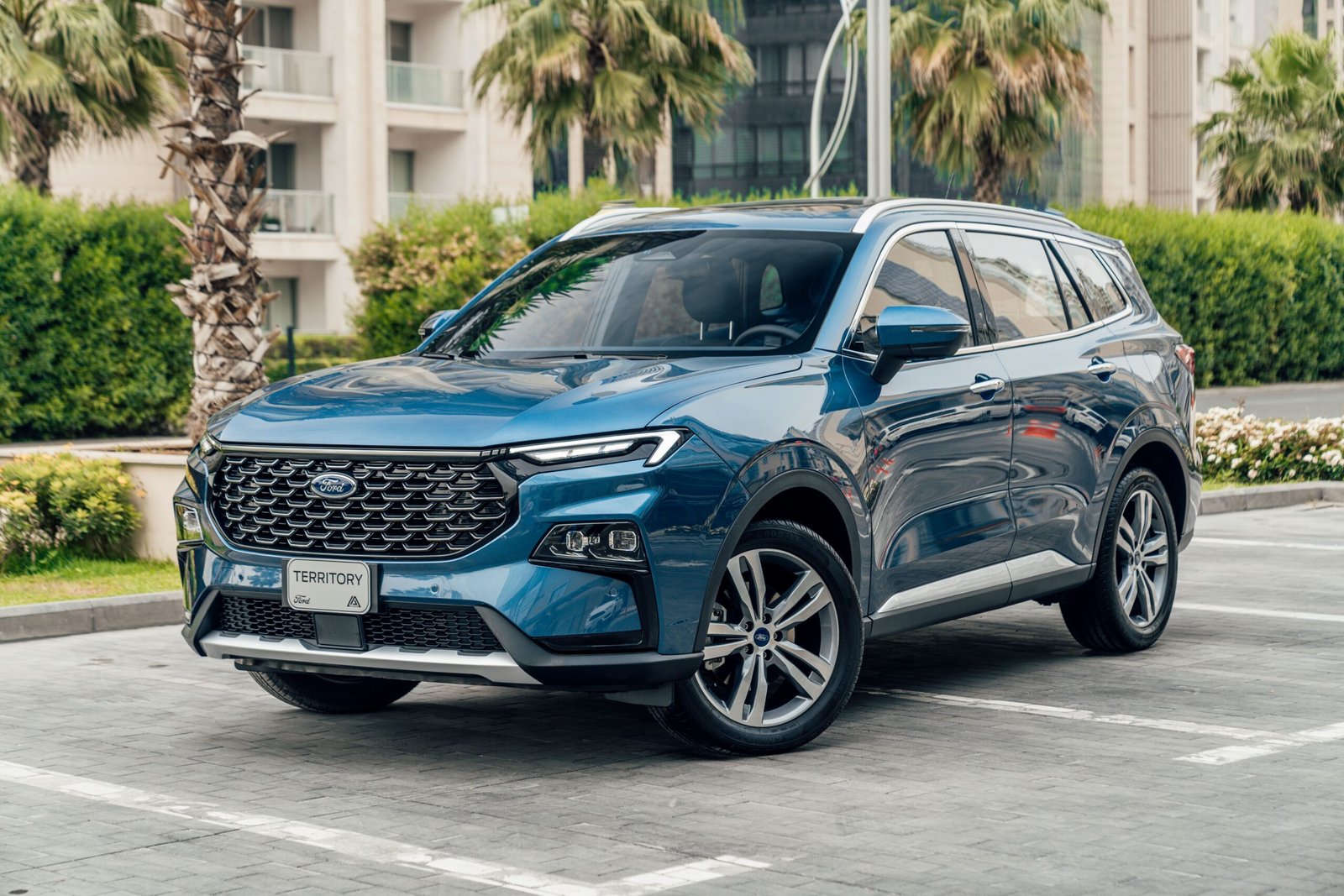
The Ford Explorer 2023 remains an appealing choice for drivers looking for a midsize three-row SUV that combines everyday practicality with strong performance, useful towing capability, modern technology, and a wide selection of trims. As a member of one of Ford’s best-known SUV families, the 2023 Ford Explorer was designed to serve a broad range of buyers, from families wanting additional passenger space to drivers who want stronger acceleration and a more athletic driving experience. One of the biggest advantages of the 2023 model is the variety available across the lineup. Depending on the configuration, buyers could choose between rear-wheel drive and all-wheel drive, different engines, several equipment levels, and comfort or performance-focused trims. The result is an SUV that can be configured for commuting, family transportation, road trips, or towing rather than being limited to one particular type of driver.
The 2023 Ford Explorer is also interesting in today’s used-SUV market because its specifications remain competitive even though it is no longer a new vehicle. Edmunds describes the Explorer as a midsize three-row SUV with strong engines, good handling, competitive standard technology, and a useful cargo area, while also noting that third-row space is not among the roomiest in the segment. For shoppers researching a used 2023 Ford Explorer, understanding the differences between trims, engines, fuel economy, towing equipment, passenger configurations, and available features is therefore important. This guide explains the major aspects of the Ford Explorer 2023 so readers can better understand what makes this SUV attractive, what its limitations are, and which type of buyer may find it to be a good fit.
2023 Ford Explorer Overview
The 2023 Ford Explorer occupies the midsize SUV category and provides three rows of seating, making it substantially more versatile than a traditional two-row crossover. Its rear-wheel-drive-based platform gives the vehicle a different driving character from many front-wheel-drive-based competitors, particularly when it comes to handling and towing. Edmunds highlights the Explorer’s rear-wheel-drive architecture as one of its strengths, particularly because it contributes to the vehicle’s towing and driving characteristics. Depending on configuration, the vehicle can accommodate either six or seven occupants, with some versions using second-row captain’s chairs and others offering a bench-style arrangement. Cargo capacity behind the third row is listed at approximately 18.2 cubic feet in common configurations, giving owners enough room for groceries, smaller luggage, or everyday family equipment while retaining all three rows.
The appeal of the Ford Explorer 2023 comes largely from its balance of family practicality and performance. A buyer can choose a relatively efficient four-cylinder configuration for everyday driving or move toward more powerful versions for drivers who prioritize acceleration and towing. The lineup also included appearance and capability-oriented choices such as the ST-Line and Timberline, while higher trims such as King Ranch and Platinum added more premium equipment. This broad range means that simply searching for a “2023 Ford Explorer” does not tell the entire story because two vehicles from the same model year can have noticeably different equipment, performance, seating arrangements, and prices depending on trim and options.
2023 Ford Explorer Engine and Performance
One of the most important reasons people consider the 2023 Ford Explorer is its engine selection. The widely available 2.3-liter EcoBoost four-cylinder produces 300 horsepower and 310 lb-ft of torque according to Edmunds specifications, giving the SUV considerably more power than many basic four-cylinder family crossovers. This engine is paired with a 10-speed automatic transmission and provides a useful combination of acceleration and efficiency for everyday driving. For many buyers, the 2.3-liter EcoBoost is likely to be the most sensible choice because it offers substantial power without requiring the fuel consumption associated with the larger engines.
Drivers seeking more performance could look at higher-performance Explorer configurations using the 3.0-liter EcoBoost V6. The V6 gives the Explorer a much stronger performance character and is particularly attractive to drivers who regularly carry heavy loads or want quicker acceleration. The ST version, for example, was positioned as the performance-oriented member of the range. The difference between the standard four-cylinder and available V6 configurations demonstrates why shoppers should research the specific used vehicle rather than relying only on the model name. Engine, drivetrain, equipment, and towing configuration can all affect how a particular 2023 Ford Explorer performs.
2023 Ford Explorer MPG and Fuel Economy
Fuel economy is another important consideration for anyone researching the 2023 Ford Explorer MPG figures. The exact EPA rating depends on the engine, drivetrain, and trim. Edmunds lists rear-wheel-drive versions with the 2.3-liter engine at up to 21 mpg city and 28 mpg highway, or 24 mpg combined, while an all-wheel-drive XLT configuration is listed at 20 mpg city and 27 mpg highway, or 23 mpg combined. These numbers make the four-cylinder Explorer relatively reasonable for a three-row SUV of its size, although buyers should remember that real-world fuel economy can vary considerably according to traffic, driving style, weather, passengers, cargo, tire condition, and drivetrain.
The more powerful versions naturally tend to use more fuel. Edmunds lists the Explorer ST and other higher-performance configurations around the 20-mpg combined range, while the Timberline is listed at approximately 21 mpg combined. This creates an important trade-off for used buyers: a four-cylinder Explorer can make more sense for long-distance commuting and everyday family use, while a V6 model may be preferable for drivers who value stronger acceleration and towing capability over maximum fuel economy. Anyone comparing several used examples should therefore look at the actual engine and drivetrain rather than assuming every Ford Explorer 2023 has the same MPG rating.
2023 Ford Explorer Trims
The 2023 Ford Explorer trims give buyers a considerable range of choices. Depending on the market and configuration, the lineup included versions such as the Base, XLT, ST-Line, Timberline, Limited, ST, King Ranch, and Platinum. Each trim was intended to appeal to a slightly different customer. The XLT, for example, can be an attractive middle-ground choice for shoppers who want useful equipment without paying for every luxury feature, while the ST-Line emphasizes sporty styling. Timberline focuses more heavily on rugged capability and outdoor-oriented design, whereas the ST is aimed at drivers who want performance.
At the top end, King Ranch and Platinum provide a more premium experience with additional comfort, technology, and upscale design details. This variety is one of the major strengths of the Explorer because buyers can choose a vehicle that better matches their budget and priorities. However, it also means used-car shoppers should inspect the equipment list carefully. Two 2023 Ford Explorer vehicles may have substantially different values even when their mileage is similar because trim level, engine, drivetrain, packages, condition, and optional equipment can significantly affect desirability.
2023 Ford Explorer Interior and Seating
The 2023 Ford Explorer interior is designed around flexibility, with three rows and seating for up to seven occupants depending on configuration. Some versions use second-row captain’s chairs, creating a six-seat layout, while other configurations can accommodate seven. Edmunds lists 18.2 cubic feet of cargo space with all seating positions in place, although the third row naturally reduces the amount of available luggage room compared with a two-row SUV. This makes the Explorer particularly useful for families who occasionally need a third row but do not necessarily want a much larger full-size SUV.
For daily use, the cabin provides practical storage areas and flexible seating arrangements, and the second row can be particularly useful for families with children. Edmunds notes that child seats are relatively easy to install in the middle row and that the cargo area is useful, although adults may find the third row less comfortable than the second row. As a result, the Explorer is best viewed as a flexible three-row SUV rather than a vehicle designed to provide limousine-like space for seven adults. Buyers who regularly carry adults in all three rows should sit in the vehicle themselves before purchasing.
Technology and Features
Technology is another area where the Ford Explorer 2023 provides a competitive package. Depending on trim and options, the SUV could include modern infotainment features, smartphone connectivity, driver-assistance technology, digital displays, premium audio, navigation, and additional convenience equipment. Edmunds specifically describes the Explorer’s standard infotainment and safety technology offerings as competitive for the segment. Higher trims add additional comfort and technology features, making the difference between a basic Explorer and a Platinum or King Ranch model quite noticeable.
When buying a used 2023 Ford Explorer, technology should be checked just as carefully as mechanical condition. Test the infotainment screen, cameras, parking sensors, driver-assistance systems, climate controls, audio system, USB ports, and other electronic features before purchasing. Modern SUVs can contain many electronic components, and verifying that everything works correctly can help prevent unexpected repair costs after the sale.
2023 Ford Explorer Safety
Safety is an important reason families consider three-row SUVs, and the 2023 Ford Explorer safety package includes several driver-assistance technologies. Depending on equipment, features can include lane-keeping assistance, adaptive cruise control, blind-spot monitoring, and other systems designed to assist the driver. Edmunds reports strong crash-test results for the Explorer, including five-star NHTSA ratings in several major categories and generally strong IIHS results.
However, safety technology should be understood as driver assistance rather than autonomous driving. Features such as lane keeping, adaptive cruise control, and blind-spot monitoring are designed to help the driver but do not eliminate the need for attentive driving. On a used vehicle, buyers should also confirm that cameras, sensors, warning systems, and other electronic safety features operate correctly, particularly if the vehicle has previously been involved in an accident or undergone body repairs.
2023 Ford Explorer Towing Capacity
Towing is one of the areas where the Explorer stands out among family-oriented midsize SUVs. Ford’s official 2023 towing documentation lists maximum loaded trailer capacities that can reach 5,600 pounds for properly equipped Explorer configurations, although the exact rating depends on the engine, drivetrain, axle ratio, towing package, and other equipment. The 2.3-liter EcoBoost can tow up to 5,300 pounds in properly equipped applications, while certain 3.0-liter EcoBoost configurations can reach 5,600 pounds.
The important phrase here is “properly equipped.” Not every 2023 Ford Explorer can tow the maximum rating. Ford specifies equipment such as the available Class IV Trailer Tow Package for certain applications, and the company’s towing documentation explains that maximum capacity can vary according to cargo, passengers, accessories, drivetrain, and other factors. Anyone purchasing an Explorer specifically for towing should therefore verify the vehicle’s VIN, factory configuration, towing package, hitch equipment, and official capacity rather than assuming that every Explorer has the maximum rating.
Is the 2023 Ford Explorer Good for Families?
For many families, the 2023 Ford Explorer can be a practical alternative to a larger full-size SUV. Its three-row layout provides flexibility when additional passengers are needed, while the rear-wheel-drive platform and available powerful engines give it capabilities beyond simple school runs and grocery shopping. The cargo area is useful, the second row provides practical family space, and the wide range of trims means buyers can prioritize affordability, luxury, performance, or rugged styling depending on their needs. Edmunds also identifies the Explorer’s strong engines, safety technology, and cargo area among its advantages.
The biggest consideration for families is third-row space. Although the Explorer technically provides three rows, the third row is not necessarily the best place for larger adults on long journeys. Edmunds specifically notes that adults may find the third row uncomfortable. Families should therefore think about how frequently they will use all three rows. If the third row is primarily for children or occasional passengers, the Explorer can make a lot of sense. If seven adults frequently need comfortable seating, a larger SUV may be worth considering.
2023 Ford Explorer Reliability and Used-Car Considerations
Reliability is an especially important subject when shopping for a used Ford Explorer 2023. The model’s turbocharged engines, 10-speed automatic transmission, electronic systems, driver-assistance technology, and available all-wheel-drive components all deserve attention during a used-car inspection. A vehicle with complete maintenance records, a clean history, good tires, smooth transmission operation, and properly functioning electronics is generally more attractive than an example with an uncertain history, even if the latter has a lower asking price.
Potential buyers should inspect service records, accident history, mileage, tire condition, brakes, suspension components, fluid leaks, warning lights, infotainment operation, cameras, sensors, and the condition of the interior and body. It is also sensible to have an independent mechanic inspect a used Explorer before purchase. This is particularly important when considering higher-performance versions such as the ST because their performance-oriented equipment and previous driving history can be different from those of a typical family-oriented model.
2023 Ford Explorer Price and Used Value
The 2023 Ford Explorer price varies considerably today because used-car prices depend on mileage, condition, location, trim, options, accident history, ownership history, and market demand. Current used-market listings and valuations can differ significantly, so a buyer should avoid treating one advertised price as a universal value. Kelley Blue Book and Edmunds both provide market-oriented pricing information for the model, while Edmunds’ current data shows substantial variation across available used examples.
When evaluating a used Explorer, the best approach is to compare several vehicles with similar mileage and equipment rather than simply choosing the cheapest listing. A well-maintained XLT with reasonable mileage may provide better overall value than a heavily used luxury trim, while a buyer who specifically wants maximum performance may find an ST worth the additional cost. The key is to match the trim and equipment to the intended use rather than paying extra for features that are unlikely to be used.
Pros and Cons of the 2023 Ford Explorer
One of the biggest advantages of the 2023 Ford Explorer is its versatility. It offers three-row seating, strong available engines, useful towing capability, competitive technology, and a wide range of trims. Its rear-wheel-drive architecture also gives it a different driving character from many crossover competitors, while the available all-wheel-drive system can provide additional traction in appropriate conditions. The 2.3-liter EcoBoost provides a particularly attractive balance between power and fuel economy, while the available V6 options appeal to drivers who want stronger performance.
There are also limitations to consider. The third row is not especially spacious for adults, fuel economy drops with more powerful configurations, and higher trims can become expensive. Edmunds also points to interior material quality and pricing as weaknesses compared with some rivals. Therefore, the Explorer is not automatically the perfect choice for every SUV buyer. It is better suited to shoppers who value a combination of performance, towing, three-row flexibility, and a broad range of configurations.
Is the 2023 Ford Explorer Worth Buying?
Whether the Ford Explorer 2023 is worth buying depends largely on what a buyer expects from a three-row SUV. It can be a strong choice for someone who wants more performance than many basic family crossovers provide, needs occasional third-row seating, wants useful towing capability, or prefers a vehicle with a broad selection of trims. The 2.3-liter EcoBoost is particularly appealing for everyday use because it combines 300 horsepower with relatively reasonable EPA fuel economy, while the available V6 versions provide additional performance.
A used 2023 Explorer can be especially appealing when the vehicle has been properly maintained and is priced competitively against similar three-row SUVs. Buyers should compare the exact trim, engine, drivetrain, mileage, equipment, condition, and maintenance history rather than judging the vehicle solely by its model year. With the right configuration and a thorough inspection, the Explorer can offer a strong combination of family practicality, driving performance, and towing ability.
Conclusion
The 2023 Ford Explorer is a versatile midsize three-row SUV that successfully combines family-oriented practicality with stronger performance and towing capability than many conventional crossovers. Its 2.3-liter EcoBoost engine offers 300 horsepower and 310 lb-ft of torque, while available V6 configurations provide additional power for buyers who prioritize performance. Fuel economy varies by configuration, with rear-wheel-drive four-cylinder versions reaching up to 24 mpg combined according to Edmunds, while all-wheel-drive and higher-performance models generally return lower figures. The Explorer also offers useful towing capability, with Ford documenting maximum capacities of up to 5,600 pounds for properly equipped versions.
For used-car shoppers, the most important thing is choosing the right configuration rather than simply searching for the cheapest Ford Explorer 2023. An XLT may be a sensible all-around choice, a Timberline may appeal to buyers seeking a more rugged character, an ST can satisfy performance-focused drivers, and higher trims such as King Ranch or Platinum can provide a more upscale experience. While the third row is not ideal for every adult passenger and some competitors may offer more luxurious interiors, the Explorer’s combination of power, technology, cargo flexibility, three-row seating, and towing capability makes it a vehicle worth considering in the used midsize SUV market.
Frequently Asked Questions About the Ford Explorer 2023
Is the 2023 Ford Explorer a good SUV?
Yes, the 2023 Ford Explorer can be a good SUV for buyers who need three rows, strong engine choices, useful towing capability, and a broad selection of trims. Its main limitations include a less spacious third row for adults and interior quality that may not match the best luxury-oriented competitors.
How much horsepower does the 2023 Ford Explorer have?
The 2.3-liter EcoBoost four-cylinder produces 300 horsepower and 310 lb-ft of torque. More powerful V6 engines were also available on certain 2023 Explorer trims.
What is the 2023 Ford Explorer towing capacity?
The maximum towing capacity can reach 5,600 pounds on properly equipped Explorer configurations. The exact capacity depends on engine, drivetrain, axle ratio, towing equipment, passengers, cargo, and other factors.
How many people can the 2023 Ford Explorer seat?
Depending on configuration, the 2023 Explorer can seat six or seven people. Versions with second-row captain’s chairs generally provide six seats, while configurations with a second-row bench can provide seven.
What is the 2023 Ford Explorer MPG?
Fuel economy depends on the specific configuration. Edmunds lists some rear-wheel-drive four-cylinder versions at 21 mpg city, 28 mpg highway, and 24 mpg combined, while an all-wheel-drive XLT is listed at 20 mpg city, 27 mpg highway, and 23 mpg combined.
Does the 2023 Ford Explorer have a third row?
Yes. The 2023 Ford Explorer is a three-row midsize SUV. However, the third row is more suitable for children and occasional adult passengers than for regularly carrying larger adults over long distances.
Is the 2023 Ford Explorer good for towing?
It can be very capable for towing when properly equipped. Ford’s official documentation lists towing capacities of up to 5,600 pounds for certain configurations and specifies the equipment required for higher towing applications.
Which 2023 Ford Explorer trim is best?
There is no single best trim for every buyer. The XLT can be a strong all-around choice, Timberline suits buyers interested in a more rugged configuration, ST is aimed at performance-oriented drivers, and King Ranch or Platinum are better suited to shoppers seeking additional luxury and equipment.
Is the 2023 Ford Explorer worth buying used?
A well-maintained 2023 Ford Explorer can be worth considering as a used SUV, especially when its price, mileage, condition, maintenance history, and equipment compare favorably with competing vehicles. A pre-purchase inspection is recommended before buying any used vehicle.


 Lifestyle3 months ago
Camehoresbay: Unveiling the Hidden Gem of Nature, Innovation, and Coastal Splendor
- Tech3 months ago
QLCredit: Unlocking the Power of Digital Lending and Financial Education
- Sports3 months ago
Cricfooty: Your Ultimate Destination for Cricket and Football News, Scores, and Updates
- news3 months ago
Meredith Schwarz: A Comprehensive Look at the Private Life and Professional Journey Behind the Headlines
- Lifestyle2 months ago
Beit Bart 2026: Complete Guide to Meaning, History, and Jerusalem’s Most Trusted Community
- Food3 months ago
Foenegriek vs. Fenegriek: The Ancient Spice with a Name Confusion
- Digital2 months ago
The Rise of SternTao: A Masterclass in High-Stakes Finance and Relentless Ambition from HBO’s “Industry”
- Tech3 months ago
CHJA: A Comprehensive Guide to Its Meaning, Applications, and Significance